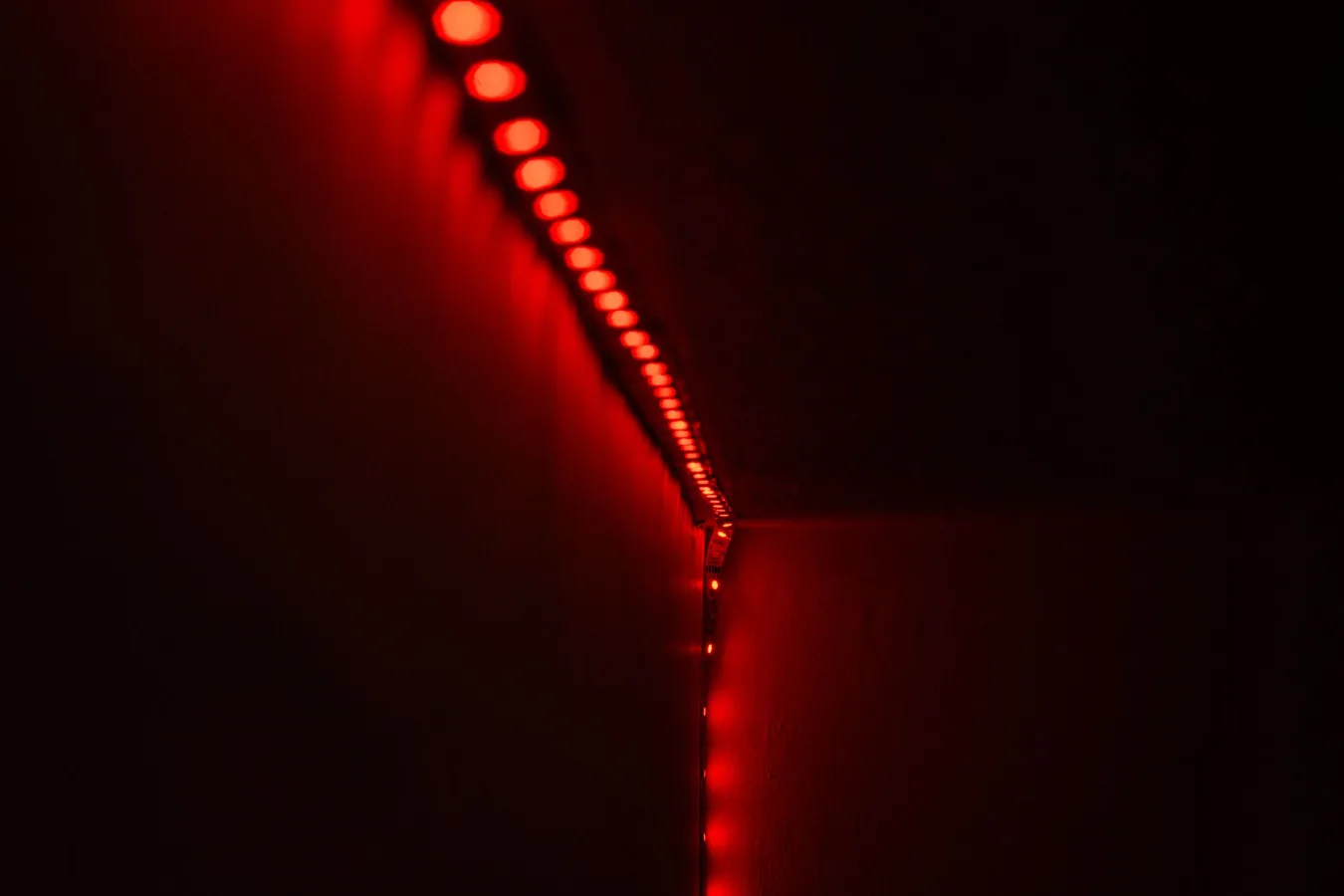
An LED diffuser strip is a cover or channel designed to soften the look of LED strip lighting. Instead of seeing individual diode points, you get a more even line of light that looks cleaner, feels less harsh, and blends better into a room. how to choose LED strip lighting accessories offers more detail on this point.
For buyers, the main question is not just whether a diffuser strip looks better. It is whether the diffuser material, profile style, and fit will work with your specific LED tape, mounting surface, and lighting goal. A good choice can improve comfort and finish quality. A poor match can reduce brightness too much, create awkward gaps, or make installation harder than it needs to be.
Who an LED diffuser strip is best for
An LED diffuser strip makes the most sense when the lighting is visible enough that bare diodes look distracting. That often includes under-cabinet lighting, shelf lighting, closet lighting, display lighting, bed-frame lighting, accent walls, and other places where the fixture becomes part of the room design.
It is especially useful if you want lighting that feels calmer and more intentional. In wellness-focused spaces, softer light presentation can matter as much as brightness. A diffuser helps the light read as a continuous glow rather than a row of dots, which can feel less busy to the eye.
That said, a diffuser strip is not always the right answer. If you need maximum output for a work surface, some diffusers can slightly reduce apparent brightness. If the strip will be hidden completely inside a channel, the visual benefit may be minor. And if the LED tape runs hot, you may need a profile that helps with heat management rather than a basic plastic cover alone. ways to reduce harsh LED glare offers more detail on this point. choosing the right LED channel profile offers more detail on this point.
The main trade-offs to weigh before buying
The biggest trade-off is softness versus light output. The more diffusion you add, the more the light source disappears. That usually improves appearance, but it can also make the strip seem dimmer, especially if the LEDs are spaced far apart or the channel sits too deep.
Another trade-off is appearance versus installation complexity. Slim snap-on covers are simple to use, but they may not conceal individual diodes as well as a deeper profile. Recessed or aluminum channel systems usually look more polished, but they require more planning, more accurate measuring, and sometimes more hardware.
There is also a durability consideration. A flexible diffuser strip can work well for curves and temporary installs, but rigid channels often provide a neater line and a more stable finish for permanent applications. If the area is likely to be bumped, cleaned often, or exposed to moisture, the material choice matters more than many first-time buyers expect.
Material and profile choices that matter most
Frosted plastic covers
Frosted covers are common because they are simple and affordable in concept. They soften the points of light and are often used when the main goal is visual smoothing rather than structural support. For low-stress indoor applications, they can be a practical option.
The limitation is that basic plastic covers may not address every need. Some are thin, some sit very close to the LEDs, and some do very little to hide individual diodes unless the LED density is already high. If your strip has noticeable hotspots, a frosted cover alone may not be enough.
Aluminum channels with diffusers
An aluminum LED channel with a diffuser is often the more complete solution. The channel helps create a cleaner install, while the diffuser cover spreads the light and gives the strip a finished architectural look. This setup is common in kitchens, closets, display cases, and modern accent lighting.
Beyond appearance, aluminum channels can also be useful for mounting and heat dissipation. That does not mean every application needs one, but it does mean this option is worth considering if the strip will run for long periods or if you want a more durable installation.
Silicone diffuser strips
Silicone diffusers are flexible and can be useful where the run needs to curve or where the installation surface is not perfectly straight. They are often chosen for creative projects, temporary setups, or areas where a rigid profile would be awkward.
The practical limitation is that flexibility can come at the expense of a more architectural look. In many home settings, a rigid channel looks more intentional. Silicone also may not be the best fit if you want the cleanest possible edge detail.
How to match the diffuser to the LED strip
Compatibility is one of the most overlooked parts of the purchase decision. Many people focus on the look of the diffuser cover and forget to check the width and depth of the LED tape it needs to hold.
Start with the physical size of the strip light itself. The diffuser or channel should comfortably fit the tape width, the backing, and any solder joints or connectors. If the profile is too narrow, installation can become frustrating. If it is too deep, the LEDs may sit too far from the diffuser and create a dimmer or less even effect.
LED density also matters. A strip with closely spaced diodes usually looks more continuous under a diffuser. A lower-density strip may still show dots if the cover is too clear or the gap is too large. In practical terms, the diffuser should be chosen with the LED spacing in mind, not as an afterthought.
If the strip has a waterproof coating, check the extra bulk that coating adds. Some buyers assume all LED tape is the same thickness, but casing and adhesive backing can affect whether the strip fits cleanly in the channel.
Where diffuser strips make the biggest difference
Under-cabinet areas are one of the clearest use cases. Without diffusion, you can often see individual points of light reflected in glossy countertops or shiny backsplash surfaces. A diffuser strip helps the line of light look smoother and less distracting.
Closets and shelves are another strong fit. Here, the goal is often visibility without glare. A diffuser can make items easier to see while keeping the lighting from feeling overly stark.
Bedrooms and relaxation spaces benefit for a different reason. The visual softness can support a calmer mood, especially if the LED strip is used as ambient or indirect lighting rather than a task source.
In display and decorative applications, the diffuser matters because the lighting is part of the design. If people can see the diode pattern, the install can look unfinished. A diffuser strip helps the result feel more intentional and polished.
Common mistakes buyers make
- Choosing a diffuser that is too shallow for the LED strip, which leaves diode dots visible.
- Focusing only on cover style and ignoring whether the profile fits the mounting surface.
- Overlooking brightness loss when using a heavily frosted cover or deep channel.
- Assuming flexible diffusers will look as clean as rigid profiles in every room.
- Forgetting to account for corners, end caps, and connectors during planning.
- Buying a decorative cover without considering whether it will be easy to clean.
A subtle but important mistake is assuming diffusion is only cosmetic. In reality, the profile shape affects how the light lands on nearby surfaces. A shallow or poorly positioned strip can create visible hotspots on walls, counters, or ceilings even if the diffuser itself looks fine.
How to decide between options
If your priority is a polished, built-in look, an aluminum channel with a matching diffuser is usually the strongest starting point. It is often the best choice for permanent installations where appearance and stability matter.
If your priority is a quick visual upgrade for an existing strip, a simple frosted cover may be enough, especially when the LED density is already high and the run is short. This can be a practical middle ground for renters or temporary projects.
If the lighting path curves or needs to bend around unusual shapes, a flexible silicone diffuser can be the more workable option. Just accept that the final look may be slightly less architectural than a rigid channel.
If the strip will be used for focused task lighting, think carefully before choosing the most opaque diffuser available. Too much diffusion can soften glare, but it can also reduce the crispness you may want on a work surface.
Maintenance and long-term value
Diffuser strips are usually chosen for appearance, but maintenance should still be part of the decision. Smooth surfaces are easier to wipe clean, while textured or deeply grooved profiles can collect dust faster. In kitchens, closets, and high-touch spaces, that difference becomes noticeable over time.
Long-term value also depends on whether the diffuser makes the lighting more usable. If a cover reduces glare enough that you enjoy the light more often, it may be worth more than a cheaper option that looks unfinished or is annoying to live with.
Replacement matters too. If the diffuser is brittle or awkward to remove, changing the LED strip later can become a hassle. Buyers who expect to update their lighting should think about whether the cover and channel are easy to service.
A practical buying checklist
- Measure the LED strip width and make sure the diffuser channel is sized correctly.
- Decide whether you want a soft visual effect, a cleaner finish, or both.
- Check whether you need a rigid profile, a flexible diffuser, or a basic cover.
- Think about brightness loss if the room depends on the strip for task lighting.
- Match the material to the environment, especially for moisture, dust, or frequent cleaning.
- Plan for corners, end caps, and mounting hardware before you buy.
- Choose a style that fits the room rather than the most opaque option by default.
Next steps for choosing the right one
Start by identifying the role the light will play. If it is mainly decorative, you can prioritize appearance and smoothness. If it needs to support daily tasks, prioritize fit, clarity, and usable brightness. If it is part of a wellness-oriented room, focus on visual comfort and a finished look that feels calm rather than busy.
From there, compare the diffuser material, depth, and mounting style against the actual LED strip you plan to use. The best LED diffuser strip is rarely the most dramatic-looking one on the shelf. It is the one that matches the size of your tape, the purpose of the light, and the feel you want in the room.
If you are still deciding, a good rule is simple: choose the least complicated diffuser that still solves the problem you actually have. That keeps the installation manageable and helps the lighting look intentional instead of overengineered.
