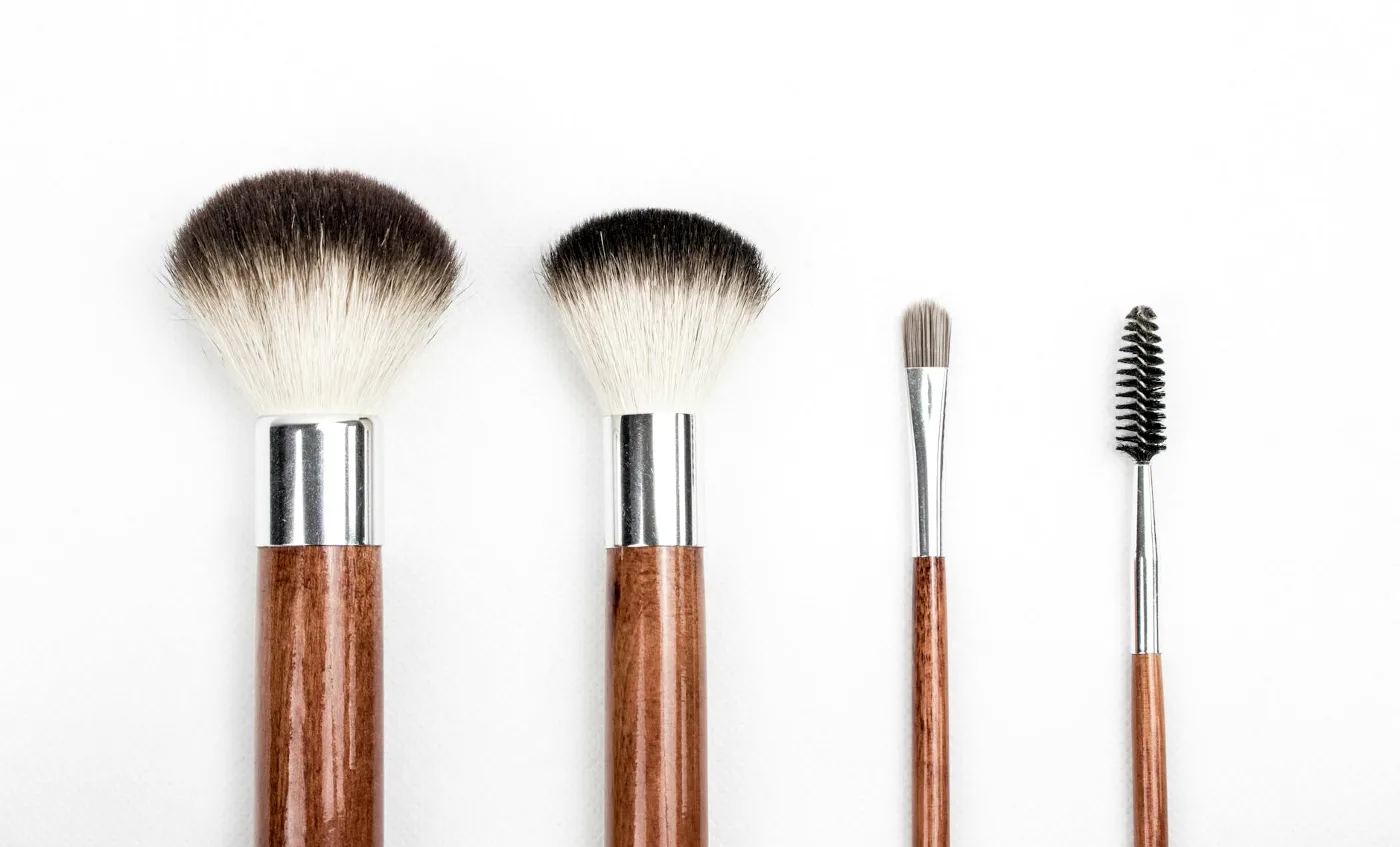
If you’re trying to find the best makeup brush set, the right choice usually comes down to three things: the products you use, how much coverage and precision you want, and how much maintenance you’re willing to handle. A great set is not necessarily the biggest one. It is the one that covers your routine without leaving you with extra brushes you never touch.
For most shoppers, the best makeup brush set is a balanced collection that includes a foundation brush, a powder brush, a blush or bronzer brush, one or two eye brushes for blending and detail work, and a concealer brush if you use cream products. If you wear makeup only occasionally, a smaller set with versatile shapes may make more sense than a large pro-style kit.
Choose the set based on how you actually apply makeup
The easiest mistake is buying by brush count instead of use case. A 20-piece set can look impressive, but if it duplicates the same eye brushes in slightly different sizes, it may not improve your routine.
Start with your daily products:
- Liquid or cream base products: look for dense synthetic brushes that can blend without soaking up too much product.
- Powder products: softer, fluffier brushes usually distribute product more evenly.
- Eye makeup: a mix of blending, packing, and detail brushes gives you more flexibility than several near-identical eye brushes.
- Multi-step routines: a fuller set can be worthwhile if you regularly use contour, setting powder, highlighter, and multiple eye looks.
If you prefer quick, everyday makeup, prioritize versatile shapes over specialized tools. If you enjoy experimenting, a broader set can give you more control, but only if the brushes are genuinely distinct in size, density, and shape.
What makes one brush set better than another
Not all brush sets are built with the same purpose. Some are made for beginners who need coverage across the basics. Others focus on artistry and precision. The right one depends on how you want the brushes to perform, not just how many pieces are included.
Bristle type matters more than many shoppers realize
For most modern makeup formulas, synthetic bristles are the safer all-purpose choice. They tend to work well with liquid, cream, and powder products, and they’re generally easier to clean. That makes them a practical option if you want lower maintenance and more consistent use across different formulas.
Natural bristles can still be useful for certain powder applications, but they are not always the best match for cream-heavy routines. They may also require more careful cleaning and drying. If you want a set that covers the broadest range of products, synthetic is usually the more practical starting point.
A common misconception is that softer automatically means better. A brush can feel luxurious while still being too floppy to place product accurately. Density, shape, and springiness matter just as much as softness.
Shape and density determine how the brush behaves
Brush shape affects both application and finish:
- Dome-shaped face brushes can blend foundation or powder more smoothly.
- Flat brushes often give more control with liquid or cream products.
- Fluffy blending brushes are useful for soft eye looks and diffusing edges.
- Angled brushes can help with blush placement, contour, or brow work.
- Small detail brushes are helpful for precise concealer placement or lower-lash shadow.
Density changes how much product a brush picks up and how tightly it applies it. A dense brush usually gives more coverage. A looser brush tends to create a lighter, softer finish. If you like natural makeup, too much density may work against you. If you want fuller coverage, an airy brush may feel inefficient.
Handle length and grip are easy to overlook
Handle design rarely gets enough attention, yet it affects comfort and control. Longer handles can feel familiar if you do your makeup at a vanity mirror. Shorter handles can be easier to pack for travel or use in small spaces. A balanced handle that feels secure in the hand may matter more than a decorative finish.
If your hands get tired during longer routines, pay attention to grip shape and weight distribution. A brush that looks elegant but feels awkward can end up unused, no matter how good the bristles are.
Buyer scenarios: which set fits which person
The best makeup brush set for one buyer may be a poor fit for another. Matching the set to the person using it is often the fastest way to narrow the field.
| Buyer type | What to look for | What to avoid |
|---|---|---|
| Beginner | Clear essentials: face brush, powder brush, blush brush, blending brush, concealer brush | Large kits with many duplicate eye brushes |
| Everyday makeup user | Versatile shapes that work with both cream and powder formulas | Highly specialized brushes that add clutter |
| Travel user | Compact set, protective storage, short handles if preferred | Bulky cases that take up unnecessary space |
| Full-face routine user | Separate brushes for foundation, setting, contour, blush, highlight, and eye detail | Sets that skip face-specific brushes |
| Minimalist | Small set with multi-use brushes and easy cleaning | Oversized sets with little practical overlap |
A beginner often benefits more from a smaller, clearer set than from an expansive one. The learning curve drops when every brush has a visible purpose. That makes it easier to build skill and avoid product waste.
Materials and build quality: where value shows up
If you want the set to last, look beyond the brush heads. Ferrules, glue, handle finish, and overall assembly affect whether a set keeps its shape after repeated washing.
What to look for in construction
- Secure ferrules: the metal band should feel firmly attached without wobble.
- Even bristle trimming: uneven ends can cause patchy application or streaking.
- Low shedding: some initial shedding can happen with any new brush, but heavy ongoing shedding is frustrating and wasteful.
- Comfortable handles: smooth is fine, but slippery handles can be inconvenient during detailed work.
One overlooked consideration is how a set behaves after cleaning. A brush may feel excellent on day one and become disappointing once the bristles splay or lose shape. If a brush set is likely to be washed often, build quality matters as much as the initial finish.
Cleaning and maintenance should influence the purchase
Brushes that are easy to clean often get used more consistently. Synthetic bristles usually dry faster than many natural-hair options, which can be helpful if you rotate a small number of brushes. Dense brushes, however, may hold onto product in the base if you use heavy creams or long-wear formulas, so they may need more thorough washing. complete guide to canine hair dryer offers more detail on this point.
If you want a low-maintenance set, prioritize:
- synthetic fibers
- simple shapes with fewer product traps
- handles that tolerate regular washing
- a storage case or stand that helps brushes dry properly
Skipping proper drying is a common mistake. Even a good set can wear out faster if brushes are stored while damp or packed away before they are fully dry.
Trade-offs to expect before you buy
Every brush set involves trade-offs. Understanding them makes it easier to buy with realistic expectations.
Large sets vs smaller sets
A large set offers coverage and variety, which can be useful if you love experimenting or want backups. The drawback is redundancy. You may end up with several brushes that differ only slightly, which adds clutter without improving results.
A smaller set is easier to learn and easier to store. The trade-off is less specialization, so you may need to adapt one brush to multiple tasks.
Softness vs control
Extremely soft brushes often feel pleasant, but they may not grip product as firmly. More structured brushes can feel less plush but give better placement and blending control. The right balance depends on whether you want sheer diffusion or more defined application.
Premium feel vs practical durability
Some sets emphasize luxurious finishes, decorative handles, or matching cases. Those details can be nice, but they should not outweigh everyday performance. A brush set should still feel reliable after repeated use and cleaning. If the design looks polished but the brushes shed, splay, or pick up product unevenly, the set will frustrate you quickly.
How to compare sets without getting distracted by packaging
Pretty packaging can make a brush set feel more complete than it really is. To compare options more objectively, focus on these questions:
- Does the set cover the formulas I use most: liquid, cream, powder, or a mix?
- Are the brush shapes meaningfully different, or are they repeating the same job?
- Will the set be easy to clean and dry?
- Does the handle size fit my routine and storage space?
- Do I need precision eye brushes, face brushes, or both?
If you are torn between two sets, choose the one that better matches your daily makeup habits rather than the one with the longest list of included pieces.
Practical alternatives if a full set feels like too much
You do not need a complete brush set to build a usable routine. Sometimes a few well-chosen brushes are better than a bundle with more variety than you need.
- Core essentials only: one foundation brush, one powder brush, one blush brush, one blending brush, and one concealer brush.
- Face-first approach: if you wear minimal eye makeup, invest in better face brushes and keep eye tools simple.
- Eye-focused approach: if your routine centers on shadow, prioritize blending and packing brushes first.
- Tool replacement plan: replace only the brushes you use most often, rather than upgrading everything at once.
This approach can be especially sensible if you already have a few brushes that work well. A set should fill real gaps, not duplicate what you already own.
Common mistakes shoppers make
Buying a brush set is usually simpler once you know the common traps.
- Choosing by piece count alone: more brushes do not automatically mean better results.
- Ignoring product compatibility: not every brush shape works equally well with cream, liquid, and powder formulas.
- Overlooking maintenance: a set that is hard to clean may slowly fall out of use.
- Buying too specialized too soon: many beginners do better with a simple, flexible set.
- Forgetting storage needs: a bulky set may be inconvenient if you have limited space.
Another practical nuance: some sets include brushes you may not know how to use yet. That is not always a problem, but it can make a kit feel more complicated than helpful. Clear utility usually beats novelty.
Next steps before you choose a set
If you want the best makeup brush set for your needs, narrow your search in this order:
- Identify your most-used formulas and routines.
- Decide whether you need a compact set or a fuller one.
- Prioritize synthetic or natural bristles based on product compatibility.
- Check whether the brush shapes cover face, eyes, or both.
- Consider cleaning, storage, and how often you plan to use the set.
That process keeps the choice grounded in your actual routine instead of the marketing language on the box. A well-matched brush set should make makeup easier, not add another layer of decision-making.
FAQ
What should a good makeup brush set include?
A practical set usually includes at least one brush for foundation or base makeup, one powder brush, one blush or bronzer brush, and a few eye brushes for blending and detail work. Concealer brushes and angled brushes can be helpful if you use cream products or do more defined looks.
Are synthetic makeup brushes better than natural ones?
Synthetic brushes are often the more versatile choice because they work well with liquid, cream, and powder products and are easier to clean. Natural bristles can still be useful for some powder applications, but they are less universal.
How many brushes do I actually need?
That depends on your routine. If you wear simple makeup, a small set with a few versatile brushes may be enough. If you use multiple face products and detailed eye looks, a fuller set can be useful. The right number is the one that covers your routine without leaving unnecessary overlap.
What is the biggest mistake when buying a brush set?
The most common mistake is choosing a set based on brush count rather than function. Many people end up with several similar brushes and still lack the shapes they use most. Product compatibility and brush shape matter more than a high piece count.
How do I keep a brush set in good condition?
Clean brushes regularly, reshape the bristles after washing, and let them dry fully before storing them. Avoid soaking the ferrule, and do not pack damp brushes into a case. Good storage and simple maintenance can extend the life of the set significantly.
