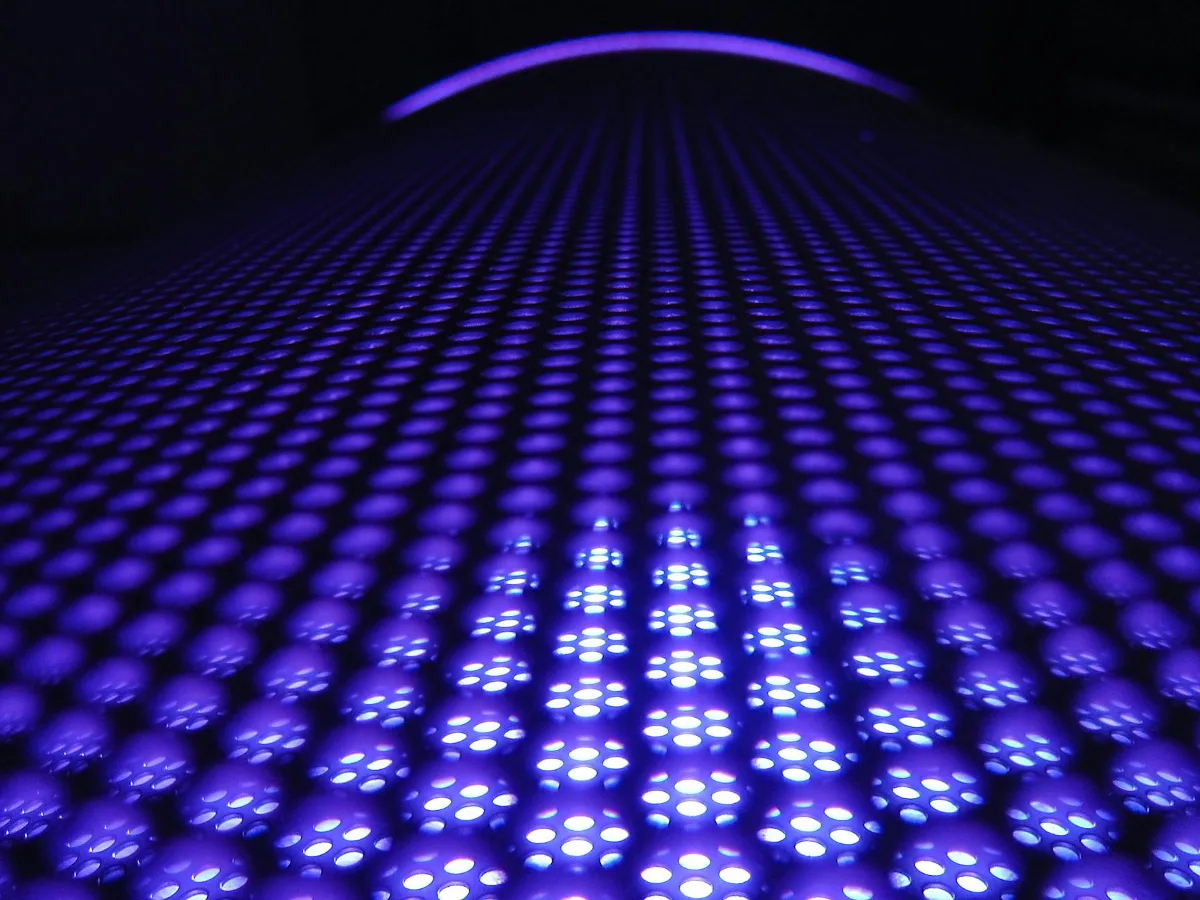
A LED light diffuser is a cover or accessory that softens the point-source look of LEDs, spreads light more evenly, and reduces glare. If your LED strip, panel, or fixture feels too harsh, too “spotty,” or visually distracting, a diffuser is often the simplest way to improve how the light looks and feels.
For wellness-focused spaces, this matters more than people sometimes expect. Harsh, uneven lighting can make a room feel busy and uncomfortable, especially in bedrooms, bathrooms, living areas, and home offices. A diffuser does not change the basics of the fixture, but it can make the light easier on the eyes and better suited to daily use.
What a LED light diffuser actually does
LEDs are efficient, but they can also look intense because the light comes from small, bright points. A diffuser helps break up those points so the light appears smoother and less direct. In practical terms, that can mean fewer visible hotspots, softer edges, and a more polished finish.
Different diffusers do this in different ways. Some sit in front of LED strips as frosted covers inside an aluminum channel. Others are built into panels, fixtures, or lamps. The material, shape, and opacity all affect how much light passes through and how evenly it spreads.
A common misconception is that a diffuser simply makes light “weaker.” That is not always the right way to think about it. A diffuser usually changes the quality of light more than the basic function of the fixture. It can reduce harshness and improve comfort, but it also may slightly reduce brightness at the source. The balance depends on the material and design.
Key factors that matter before you buy
Compatibility with your LED setup
The first question is whether the diffuser matches the type of LED lighting you already have. LED strip lights usually need channels, covers, or lenses sized to fit the strip and mounting surface. Panels and retrofit fixtures may require a specific replacement lens or cover. A diffuser that looks right in photos may still be the wrong fit for your actual fixture.
Check the physical format first: strip, tube, panel, under-cabinet light, accent light, or integrated fixture. If the diffuser is meant for an aluminum channel, make sure the channel dimensions work for your strip width and installation space.
Material and light softness
Material has a direct effect on how the light appears. Common options include frosted plastic, opal covers, polycarbonate, acrylic, and silicone. More opaque materials tend to hide individual diodes better, but they can also dim the light more. Clearer materials preserve brightness but may leave LED dots visible.
If you want a calm, even glow for a bedroom or relaxation area, a more diffused finish often makes sense. If the light needs to support task work, such as under-cabinet kitchen lighting or a vanity area, you may prefer a diffuser that softens glare without turning the light muddy or dull.
Brightness trade-off
Every diffuser creates some level of trade-off between softness and output. That does not mean the best diffuser is always the most opaque one. A heavily diffused cover can be beautiful, but in a dim setup it may reduce usable light more than you want. In a very bright installation, the same cover may be ideal because the room still receives enough light after diffusion.
This is one of the most important decision points: decide whether the goal is visual comfort, decorative mood, functional illumination, or a mix of all three.
Shape and viewing angle
The shape of the diffuser changes how the light is distributed. Flat covers can work well in narrow applications. Dome-shaped or curved diffusers may help spread light more broadly. U-shaped channels are common for LED strips because they protect the strip and can offer a cleaner appearance from the side.
If the fixture will be visible from different angles, such as in open shelving or ceiling coves, side visibility matters. Some diffusers hide LED dots well from a front view but still reveal them from the side. That is a useful detail to check before buying.
Installation and maintenance
Some diffusers snap into channels. Others slide on, clip in, or screw into a housing. The simpler the access, the easier it is to clean or replace later. In dusty or humid rooms, that matters more than many buyers expect.
A diffuser should also be easy to wipe down without scratching or clouding. Kitchens, bathrooms, and entry areas often need more frequent cleaning than bedrooms or closets.
Where a diffuser makes the biggest difference
Not every LED setup needs a diffuser, but some spaces benefit more than others.
- Bedrooms: Softer light supports a calmer atmosphere and reduces the “spotlight” look that can feel visually busy.
- Bathrooms: Diffusion can improve comfort around mirrors and vanity areas, especially when LEDs create sharp reflections.
- Home offices: A diffuser can make ambient or accent lighting less distracting during long screen sessions.
- Living rooms: It helps decorative lighting feel more finished and less technical.
- Kitchens: Under-cabinet lighting often benefits from diffusion when the goal is even task lighting rather than visible diode points.
For very precise task lighting, however, diffusion is not always the best answer. If a project needs maximum output and crisp directional light, a diffuser may be unnecessary or even counterproductive.
Common LED diffuser types and how they differ
Frosted covers
Frosted covers are a familiar choice for many residential applications. They soften the LED points and usually offer a balanced look without making the installation overly technical. They are often a good middle ground for buyers who want a noticeable improvement without sacrificing too much brightness.
Opal diffusers
Opal-style diffusers tend to hide the LED source more completely and create a smoother visual field. They are often chosen when appearance matters as much as function, such as in decorative strips or accent lighting. complete guide to led diffuser offers more detail on this point.
Aluminum channels with diffuser lenses
These are especially common for LED strips. The channel holds the strip in place, helps manage heat, and gives the installation a cleaner, more built-in look. The lens or cover acts as the diffuser. This setup is often preferred for under-cabinet runs, shelves, coves, and trim details.
Silicone diffusers
Silicone options are valued in some installations because they can be flexible and shape-friendly. That can make them useful in curved or custom layouts. The right choice depends on the fixture design and the environment.
Practical solutions for common lighting problems
If your current LEDs feel too sharp, the fix does not always require replacing the whole system. A diffuser can solve several everyday issues.
- Visible diode dots: Choose a more opaque or better-shaped diffuser.
- Glare in eye level lighting: Use a diffuser with a softer finish or reposition the fixture.
- Uneven light patches: Select a diffuser designed to spread light more uniformly, or pair it with a more appropriate LED spacing.
- Harsh reflections: Switch to a diffuser that reduces direct point-source brightness near glossy surfaces.
- Decorative lighting that looks unfinished: Use a diffuser channel or lens that hides the strip hardware.
One overlooked consideration is the relationship between the LED spacing and the diffuser itself. If the diodes are too far apart, a diffuser may soften the look but still leave visible bright segments. In that case, the issue may be the strip layout as much as the cover.
How to choose the right diffuser for your use case
A good buying decision starts with the goal, not the product category. Ask what the diffuser is supposed to do in the room.
- For comfort: Prioritize glare reduction and a smoother visual field.
- For ambiance: Choose a finish that hides the source and creates a calm glow.
- For task lighting: Look for a diffuser that softens the light without overly reducing output.
- For visual polish: Focus on fit, edge finish, and how well the diffuser conceals the hardware.
Room conditions matter too. Bathrooms and kitchens may require materials that handle moisture and cleaning better than a diffuser in a low-traffic bedroom. In a sunny room, glare control may matter more than absolute brightness. In a dim hallway, preserving output may matter more than perfect softness.
Limitations worth keeping in mind
A diffuser improves the look of light, but it is not a cure-all. It cannot fully fix poor placement, the wrong color temperature, or an underpowered LED setup. If the fixture is too bright, too cool, or aimed poorly, a diffuser may help only at the margins.
It can also introduce a small amount of light loss. That is normal. The key is deciding whether the gain in comfort and appearance is worth that trade-off for your space. In many wellness-oriented rooms, the answer is yes. In a utility space where every bit of light matters, maybe not.
Practical mistakes to avoid
- Buying by appearance alone: A diffuser that looks attractive may not fit the fixture or solve the actual lighting problem.
- Ignoring light output: A cover that is too opaque can make a useful light feel dull.
- Overlooking cleaning needs: Some materials show dust, smudges, or scratches more easily than others.
- Using the wrong shape: A poor fit can create gaps, uneven diffusion, or a loose installation.
- Expecting it to fix bad color temperature: Diffusion changes how light spreads, not whether it feels warm or cool.
When a different solution may be better
Sometimes a diffuser is only part of the answer. If the main complaint is harshness, you might also consider:
- choosing a warmer or more suitable color temperature
- moving the light source out of direct sightlines
- adding layered lighting instead of relying on one bright fixture
- using indirect lighting, such as cove or bounce lighting
- selecting an LED strip with better density or a different beam spread
These options can work alongside a diffuser or instead of one, depending on the goal. For a room designed around wellness and relaxation, layering often delivers a better result than relying on a single accessory.
Simple decision guide
If you want a quick way to narrow the choice, use this approach:
- Identify the fixture type and confirm the diffuser will fit.
- Decide whether you care more about softness, brightness, or a balance of both.
- Check whether the diffuser needs to hide visible LED dots from side angles.
- Think about the room: decorative, task-focused, humid, dusty, or low-light.
- Choose a material that suits cleaning, appearance, and long-term use.
That sequence prevents one of the most common buying errors: choosing a diffuser because it sounds like a simple add-on, then discovering it does not match the lighting goal or the room conditions.
FAQ
Does a LED light diffuser reduce brightness?
Usually, yes, to some degree. The trade-off is that the light looks softer and more even. The amount of reduction depends on the material, thickness, and design of the diffuser.
Is a diffuser worth it for LED strip lights?
Often, yes, especially if the strip is visible from normal viewing angles. A diffuser can make strip lighting look cleaner, less harsh, and more integrated into the room.
What is the best diffuser for hiding LED dots?
More opaque or opal-style diffusers are typically better at concealing individual diodes. The best option also depends on LED spacing and how close the strip sits to the cover.
Can I use a diffuser in a bathroom or kitchen?
Yes, as long as the material and installation method suit the environment. In moisture-prone or frequently cleaned areas, durability and ease of maintenance matter more.
Do I need a diffuser if my LEDs already look soft?
Not always. If the light is already comfortable and even, a diffuser may not add much. It is most useful when you want to reduce glare, hide hotspots, or improve the overall finish of the installation.
