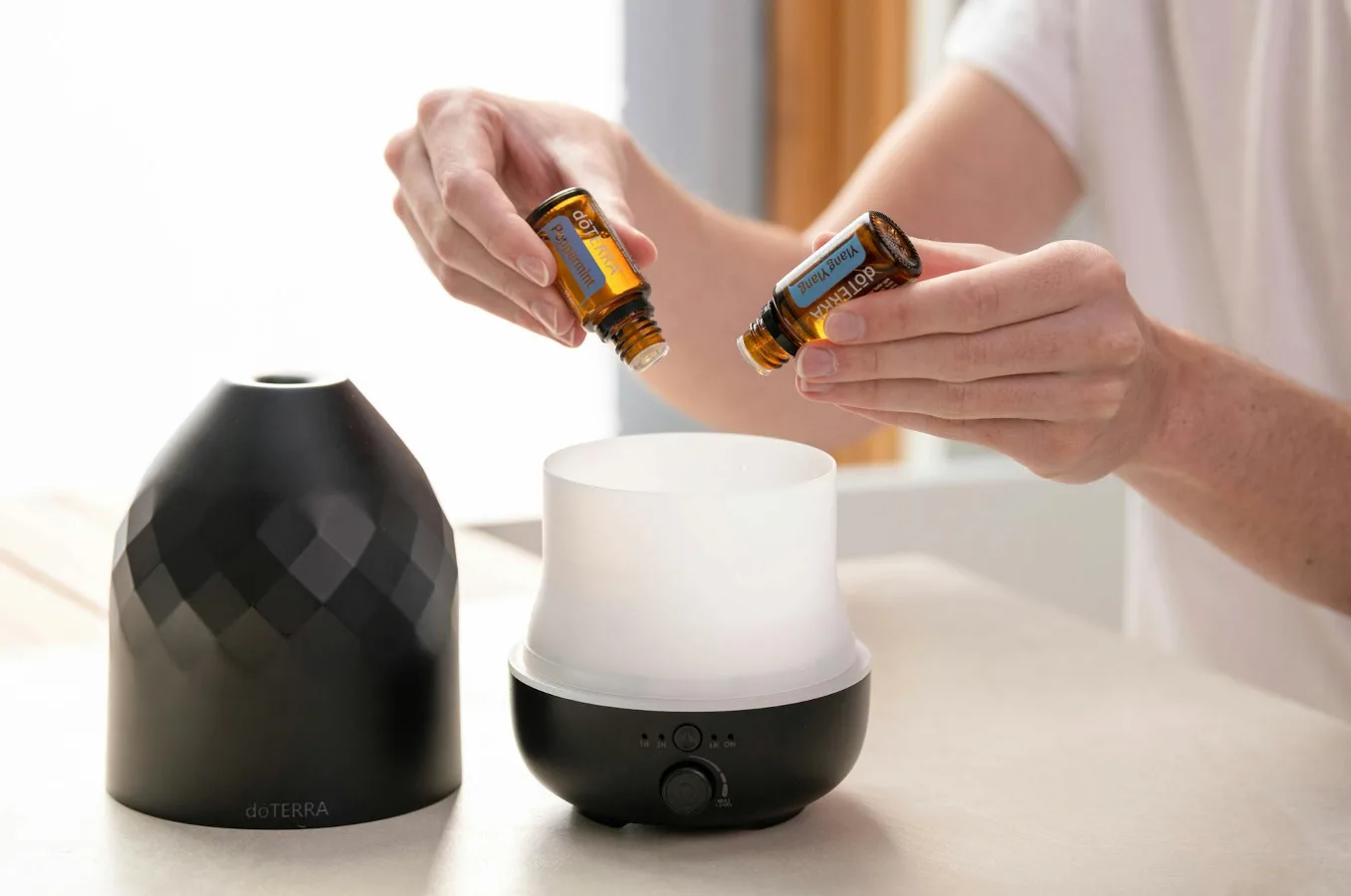
Why a car essential oil diffuser matters
A car essential oil diffuser is worth considering if you want a more controlled, pleasant scent in a small enclosed space without relying on a traditional air freshener. For many buyers, the appeal is not just fragrance. It is also about choosing a setup that fits the car, stays secure while driving, and is simple enough to use every day. Waterless Essential Oil Diffuser Guide offers more detail on this point.
The best option depends on how you drive and what you expect from it. Some people want a subtle scent for short commutes. Others want a device they can plug in and forget about. A few prefer a non-electric diffuser that uses passive airflow or a refillable pad. The right choice is usually less about the strongest aroma and more about compatibility, maintenance, and how much control you want over scent intensity.
If you are shopping for one, focus first on where it will sit, how it will power on, and whether it will hold up in a hot vehicle. Those three factors solve more problems than fragrance brand alone.
What to look for before you buy
Power source and setup
The most practical starting point is the power source. Car diffusers commonly fall into a few types: USB-powered units, vent clip diffusers, plug-in models for the vehicle outlet, and passive or non-electric diffusers that rely on airflow. Each has trade-offs.
- USB-powered diffusers are convenient if your car has charging ports or a compatible adapter. They often give more control, but they may require a cable and a stable place to sit.
- Vent clip diffusers are compact and easy to install. They are useful for subtle scenting, though they depend on airflow from the vent and can be affected by vent direction.
- Plug-in diffusers can be tidy if your car has a 12V outlet in a useful location. Check that the design will not block controls or feel awkward in tight spaces.
- Passive diffusers are the simplest. They usually use felt, wood, ceramic, or absorbent pads. They are low maintenance, but scent strength is often gentler and less adjustable.
A common misconception is that stronger scent means better performance. In a car, stronger can become overwhelming fast. A diffuser that offers modest, adjustable output is often more usable than one that floods the cabin with fragrance.
Fit, placement, and stability
A good diffuser should fit your car without getting in the way. This is especially important in smaller cabins, where cup holders, vents, charging ports, and shifter space can already feel crowded. Look for a design that stays put on bumpy roads and does not interfere with driving controls, airbags, or visibility.
Placement also affects how well the scent travels. A vent clip may disperse aroma quickly when the fan is on, while a cup holder diffuser may feel more contained. If you often switch between short city trips and longer drives, think about whether the placement supports both.
Another overlooked detail is heat exposure. Cars can get hot quickly in the sun, and some materials, oils, and adhesives handle that better than others. That does not mean every diffuser is unsafe in warm weather, but it does mean the construction and mounting method matter more than many buyers realize.
Materials and finish
Materials influence durability, odor neutrality, and how easy the diffuser is to clean. Metal, glass, ceramic, silicone, wood, and certain plastics all show up in car diffuser designs, but they do not behave the same way. how to choose a car diffuser offers more detail on this point.
- Metal can feel sturdy and polished, but it may show fingerprints or heat up in direct sun.
- Glass can look elegant, but it may not be the most practical choice in a moving vehicle unless the design is well protected.
- Ceramic is often used in passive styles and can absorb fragrance well, though it may be more fragile.
- Plastic is lightweight and common, but quality varies widely, especially with heat and long-term wear.
- Wood and other porous materials can provide a subtle passive scenting method, but they may hold onto fragrance over time.
If you want a low-fuss daily setup, prioritize materials that are easy to wipe down and less likely to rattle, stain, or warp in warm conditions.
Scent control and refill style
Scent control is one of the most important buying factors. A diffuser that is too intense can become tiring during longer drives. A diffuser that is too weak may be nearly invisible once the cabin fan is on. Look for clear information about whether scent output can be adjusted, whether the diffuser uses essential oil drops or pads, and how often refills or reapplication are needed.
Waterless diffusers and passive diffusers can be easier to manage in a car because they reduce spill risk. That said, they may not offer the same moisture-based diffusion that some tabletop designs do. For most vehicles, lower-mess options are the more practical choice.
Safety and distraction
In a car, safety includes more than the ingredients in the oil. A diffuser should not leak, wobble, block controls, or require constant attention. Anything that demands frequent fiddling while driving becomes a poor fit.
Consider whether the diffuser can be adjusted before the drive and then left alone. Also think about passengers. Some scents that seem pleasant at first may be too sharp in a closed car or may not suit children, pets, or scent-sensitive riders. If anyone in the vehicle is sensitive to fragrance, passive and low-output options are usually safer places to start.
How to choose the right type for your use case
For short commutes
If you mostly drive a few miles at a time, portability and convenience matter more than long runtime. A vent clip diffuser or a simple passive diffuser may be enough. You want something easy to use, quick to refill, and not reliant on a complicated setup.
For long drives and frequent travel
If you spend a lot of time in the car, choose a diffuser that offers more consistent output and easier adjustment. USB-powered models or carefully designed plug-in units may be better if you want a steady scent through longer trips. Just make sure the cable or power source will not clutter the cabin.
For sensitive noses
If you are trying essential oils for the first time in a vehicle, start with the mildest option. In a small car cabin, scent builds quickly. Low-output diffusers and minimal oil use are usually better than powerful fragrance diffusion. This is one of the most practical limitations of car aromatherapy: less is often more. car aromatherapy basics offers more detail on this point.
For minimalist drivers
If you dislike extra gadgets, look for a passive diffuser with a clean design. These models can deliver light fragrance without cords, reservoirs, or moving parts. The trade-off is that you usually give up precision and consistency.
A simple buying checklist
Use this checklist to narrow your choices before you add anything to your cart.
- Will it fit your car without blocking vents, buttons, or cup holders?
- Does it use USB, a 12V outlet, vent airflow, or passive diffusion?
- Is the scent output adjustable or naturally low-intensity?
- Can it be installed securely and removed easily?
- Is the design easy to clean or refill?
- Will the materials hold up in heat and daily use?
- Does it avoid spills, rattles, and loose parts?
- Is it practical for your commute length and driving habits?
- Will the fragrance style work for other passengers?
If two models seem similar, the more practical choice is usually the one with fewer maintenance steps and better stability in the cabin.
Examples of common diffuser setups
To make the decision more concrete, here are a few common scenarios:
- Compact commuter car: a vent clip or passive diffuser may be enough because the cabin is small and scent can spread quickly.
- Family vehicle: a low-output, easy-to-remove option is often better because fragrance preferences can vary widely among passengers.
- Ride-share or shared car: choose a discreet design with easy cleaning so you can change scents or remove it when needed.
- Road trip vehicle: a more adjustable diffuser with simple refills may be preferable because it is easier to maintain over longer use.
These examples show a useful pattern: the best diffuser is usually the one that matches the way the car is actually used, not the one with the most features.
Common mistakes to avoid
- Buying for scent strength only. In a car, intense fragrance can become unpleasant fast.
- Ignoring installation. If the diffuser is awkward to place, it probably will not be used consistently.
- Choosing a messy refill system. Spills are frustrating in a vehicle and can leave lingering residue.
- Overlooking cabin heat. Some materials and adhesive mounts are less suited to parked cars in warm weather.
- Not checking passenger sensitivity. A scent that works for one person may bother others in a closed space.
- Assuming all oils behave the same. Some blends are stronger or more persistent than others, so start conservatively.
A practical nuance many buyers miss is that car ventilation changes everything. A diffuser that seems subtle when the car is off may become much stronger once air conditioning or heat is running. That makes adjustability a real advantage, not just a nice extra.
What a car diffuser can and cannot do
A car essential oil diffuser can improve the atmosphere of the cabin and help replace harsher artificial fragrances, but it is not a cure-all for odor problems. If the car has mildew, smoke residue, food spills, or a dirty HVAC system, scent alone will not solve the underlying issue. In those cases, cleaning and maintenance should come first.
That distinction matters. Diffusion is best used as a finishing touch after the car is already clean. Otherwise, the fragrance can mix with unpleasant odors instead of replacing them.
Alternatives worth considering
If a diffuser does not seem like the right fit, a few alternatives may work better depending on your priorities:
- Car air fresheners are simple, but they often offer less control and can be more perfumed than you want.
- Passive fragrance clips or sachets are low maintenance and discreet.
- Unscented cabin cleaning products are better if the main goal is to remove odor rather than add fragrance.
- Portable travel diffusers may be useful if you want a device that moves between the car, office, and home.
For some buyers, the best solution is not a diffuser at all, but a cleaner cabin and a lighter fragrance approach. That can be especially true for families, shared vehicles, and anyone sensitive to strong scents.
FAQ
Are car essential oil diffusers safe to use?
They can be safe when used properly, but safety depends on the design, placement, and scent strength. Choose a diffuser that stays secure, does not leak, and does not interfere with driving. If anyone in the car is sensitive to fragrance, start with a very light application.
What is the best type of diffuser for a car?
The best type depends on your priorities. Vent clips and passive diffusers are often the simplest, while USB or plug-in models may offer more control. If you want minimal maintenance, a low-output passive option is usually the easiest place to start.
Can I use any essential oil in my car diffuser?
Not always. Check the diffuser’s instructions and use oils in a way that matches the device type. Some oils are stronger than others, so begin with a small amount and see how it behaves in the cabin.
How do I keep a car diffuser from becoming too strong?
Use less oil, choose a lower-output model, and avoid placing the diffuser where direct airflow will concentrate the scent too much. In a small vehicle, restraint usually gives a better result than heavy application.
What should I do if the diffuser does not smell strong enough?
First check placement and airflow. A diffuser near a vent may disperse scent better than one tucked away. If it still feels weak, the model may simply be too subtle for your cabin size, and a different diffusion style may be a better fit.
Final buying guidance
If you are choosing a car essential oil diffuser, focus on fit, safety, ease of use, and scent control before you worry about style. The most practical model is usually the one that works quietly in the background, does not need much upkeep, and suits your vehicle’s space and ventilation.
For most shoppers, the best decision comes down to this: pick the simplest diffuser that gives you enough control for your commute, your passengers, and your comfort level. That approach tends to deliver the most useful result without turning the car into a fussy fragrance project.
