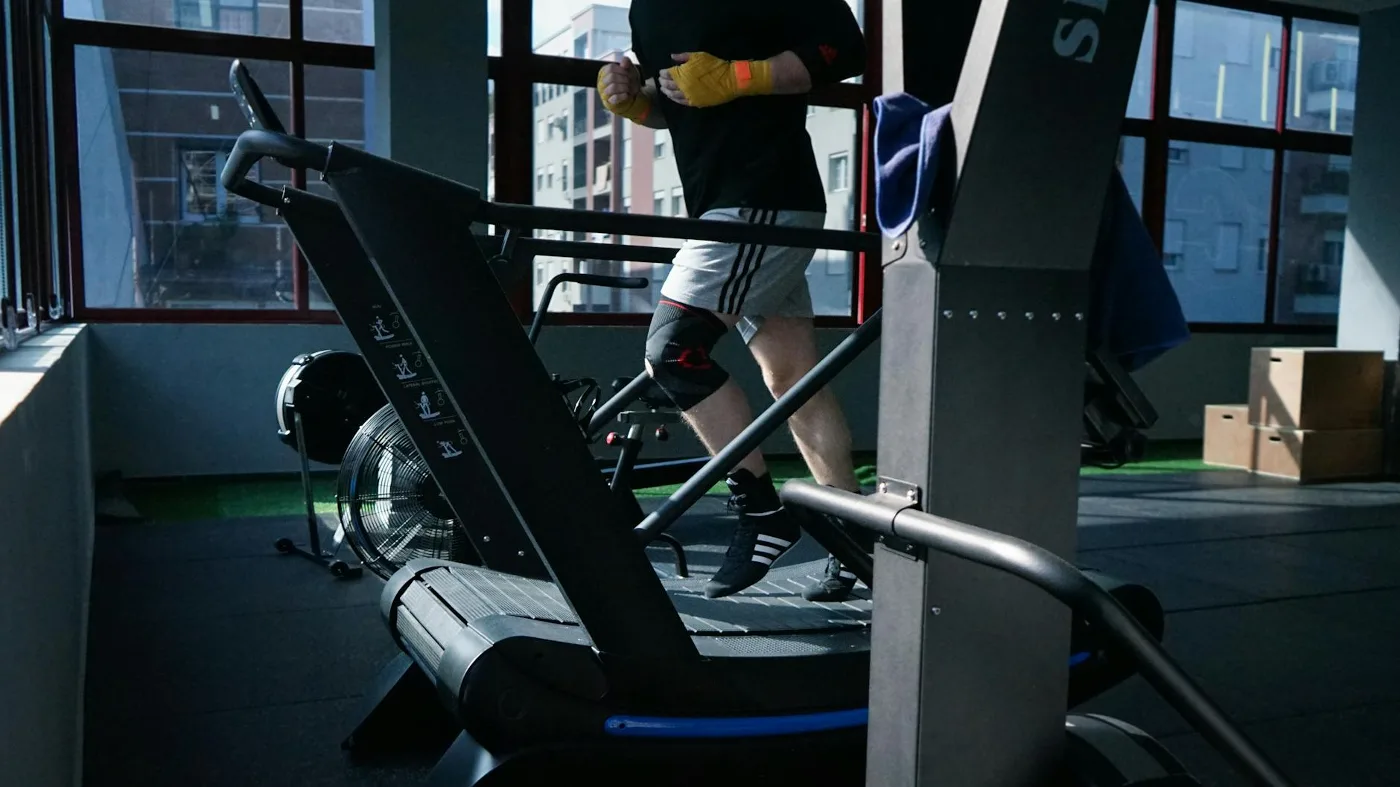
Who a curved manual treadmill is really for
A curved manual treadmill is best for people who want a self-powered cardio machine that responds directly to their effort. There is no motor setting the pace for you. Your stride moves the belt, so the machine feels more active and demanding than a standard treadmill. guide to curve treadmill offers more detail on this point.
That makes it a strong fit for runners who want more control over pace, athletes looking for sprint or interval work, and home gym owners who prefer equipment with fewer electronic parts. It can also appeal to people who want a treadmill-style workout without depending on a plug or digital motor system.
It is not the easiest option for every buyer, though. If your priority is relaxed walking, rehabilitation, or the ability to press a button and let the treadmill carry you, a curved manual model may feel less forgiving than expected. The right choice depends on how you plan to use it, how much room you have, and how much resistance you want from the workout itself.
Why the curved design changes the workout
The curved running deck is the defining feature. Instead of standing on a flat belt, you run on a rounded surface that encourages a natural midfoot or forefoot landing for many users. Because the belt is not motorized, pace is controlled by your own movement. Speed changes happen instantly, which is one reason these machines are popular for interval training.
This design also changes how effort is distributed. A curved manual treadmill often feels more engagement-heavy than a motorized treadmill because you are not just moving your legs; you are driving the belt yourself. Many buyers like that feedback because it can make short bursts of work feel sharper and more deliberate. manual treadmill vs motorized treadmill offers more detail on this point.
A common misconception is that all manual treadmills feel the same. They do not. Some are designed more for walking and light jogging, while others are built with a sturdier frame and a more athletic feel. The running surface, belt response, and overall build all influence how smooth or demanding the machine feels in use.
Buyer scenario: when this treadmill makes sense
Think about a curved manual treadmill if you fall into one of these groups:
- You train with intervals. Quick pace changes are one of the biggest advantages of this design.
- You want self-powered equipment. No motor means no outlet dependence and fewer electronic features to manage.
- You care about running mechanics. The curved shape can encourage a more deliberate stride and better awareness of foot placement.
- You are building a compact gym. Some models are bulky, but many buyers still choose them for the simpler mechanical setup.
- You prefer a machine with fewer moving parts to maintain. Simpler systems can be appealing in long-term ownership, even if the machine itself is not light or minimal in footprint.
For these users, the appeal is not only convenience. It is also the training feel. A curved manual treadmill can make steady-state work and intervals feel more engaged than a conventional treadmill, especially for runners who dislike being paced by a motor.
Trade-offs you should weigh before buying
The biggest trade-off is effort. Because the belt is powered by you, walking and running can feel more demanding than on a motorized treadmill. That is a benefit if you want more challenge, but a drawback if you want a gentler cardio option.
Another trade-off is comfort at slower speeds. Some curved manual treadmills are less relaxing for casual walking because the belt responds directly to your body weight and stride. Users who want a long, easy walk may find a flat manual treadmill or a motorized treadmill more suitable.
Noise is another practical consideration. While many buyers assume self-powered means quiet, the real-world sound depends on the belt, frame, flooring, and your foot strike. A curved manual treadmill may still produce enough noise to matter in apartments or upstairs rooms.
There is also the question of learning curve. If you have only used motorized treadmills, the first few sessions can feel awkward. Starting, slowing down, and changing pace happen through body position and effort rather than buttons. That adjustment is manageable, but it is real.
Material and build factors that matter most
Build quality matters more than decorative features here. A curved manual treadmill is a training tool, so the materials and frame design should support stability, belt response, and safe foot placement.
Frame stability
Look for a frame that feels planted, especially if you plan to run rather than walk. A stable base can reduce wobble and make the machine feel more confident under faster movement. This is especially important for anyone using the treadmill for intervals or repeated starts and stops.
Belt and deck feel
The belt surface affects both comfort and traction. You want a surface that feels secure underfoot without feeling sticky. Since the belt is user-powered, smooth movement matters. If the belt feels too abrupt or too loose, the workout can become distracting.
Curvature and running posture
The amount of curve affects how you move. A more pronounced curve may encourage a more athletic stance and quicker turnover, while a gentler curve may feel more approachable for mixed walking and jogging. This is one of the overlooked considerations buyers miss when comparing products online: the shape influences the feel as much as the size does.
Footprint and placement
These machines are often visually compact relative to some commercial treadmills, but they can still occupy meaningful floor space. Measure for both the machine itself and the clearance around it. You need enough room to step on, step off, and move naturally without feeling boxed in.
Specification details worth comparing
Specifications should be read in context, not as standalone bragging points. For a curved manual treadmill, focus on the features that change day-to-day use.
| What to compare | Why it matters |
|---|---|
| Running surface size | Affects stride comfort and how natural the treadmill feels at different speeds. |
| Curve profile | Changes effort, foot placement, and how quickly pace responds to your movement. |
| Frame construction | Influences stability, durability, and confidence during sprints or hard efforts. |
| Belt response | Impacts smoothness, especially during interval changes and acceleration. |
| Console features | Helpful for tracking time, pace, distance, or effort, but not essential for every buyer. |
| Transport and storage design | Important if you need to move the machine between rooms or save floor space. |
| Maintenance access | Helps you understand how easy it is to clean, inspect, and care for the treadmill over time. |
Do not overvalue high-tech displays if the mechanical side is weak. On a curved manual treadmill, the belt feel and frame quality matter more than extra screens or connected features. In many cases, a simpler machine with better mechanics is the smarter long-term choice.
Comfort, pace control, and training style
The best use case for many curved manual treadmills is interval work. Because the belt responds immediately to effort, you can speed up or slow down without waiting for a motor to catch up. That makes the machine useful for sprint repeats, tempo work, and variable-effort sessions.
If you plan to walk, think carefully about comfort and rhythm. A manual treadmill does not guide you the way a motorized belt does. You may need to engage more actively to keep the belt moving, which can make long recovery walks feel less easy than expected.
For runners, the benefit is often a stronger connection between output and movement. You feel the difference between an easy jog and a harder effort right away. For walkers, the same responsiveness can feel unnecessary unless the goal is to add resistance to a walking session.
Common mistakes buyers make
One mistake is assuming a curved manual treadmill is just a more stylish version of a regular treadmill. It is not. The training experience is different enough that the best model for one person may be a poor match for another.
Another mistake is choosing based only on price or appearance. A cheap-looking machine may not offer the stability needed for running, while a commercial-looking model may still feel awkward if the running surface geometry does not suit your stride.
Some buyers also underestimate floor and room planning. Because these machines are used dynamically, the needed space is larger than the footprint alone suggests. If the room is tight, you can feel cramped quickly, especially during faster work.
Finally, people sometimes expect low effort because the machine is self-powered. In practice, a curved manual treadmill can be more demanding than a motorized one, particularly if you want to accelerate fast or sustain steady pace without drifting.
Alternatives worth considering
A curved manual treadmill is only one answer to the broader cardio question. Depending on your goal, a different machine may suit you better.
- Motorized treadmill: Better for preset speeds, incline control, and more relaxed walking.
- Flat manual treadmill: Often simpler and may feel more approachable for basic walking or light jogging.
- Air bike: Useful for hard intervals and upper-body involvement, especially in compact training spaces.
- Rowing machine: A strong full-body cardio option if you want low-impact conditioning.
- Incline trainer or incline treadmill: Better if your goal is walking-based conditioning and varied terrain feel.
The right choice depends on how you define success. If your priority is pace control and a more active running feel, the curved manual treadmill stands out. If you want ease, consistency, or a gentler entry into cardio, another machine may be more practical.
Next steps before you choose one
Before buying, narrow your decision around use case rather than feature count. Ask yourself whether you are buying for sprint intervals, everyday cardio, walking, or mixed training. That answer will quickly eliminate models that look appealing but do not fit the actual workout. what to know before buying running equipment offers more detail on this point.
Then compare the mechanical details that shape the experience: frame stability, belt response, curve profile, and usable deck space. If possible, think through where the machine will live in your home and how often it will need to move. A machine that is technically compact but inconvenient to place can become a regret purchase.
If you want a no-nonsense cardio tool that rewards effort and keeps maintenance relatively simple, a curved manual treadmill can be a smart addition to a home gym. If you want a softer, easier, or more automated experience, it is worth exploring alternatives before committing.
The best purchase is the one that matches your training style, your space, and your tolerance for challenge. That is especially true with this category, where the machine’s design is part of the workout itself.
