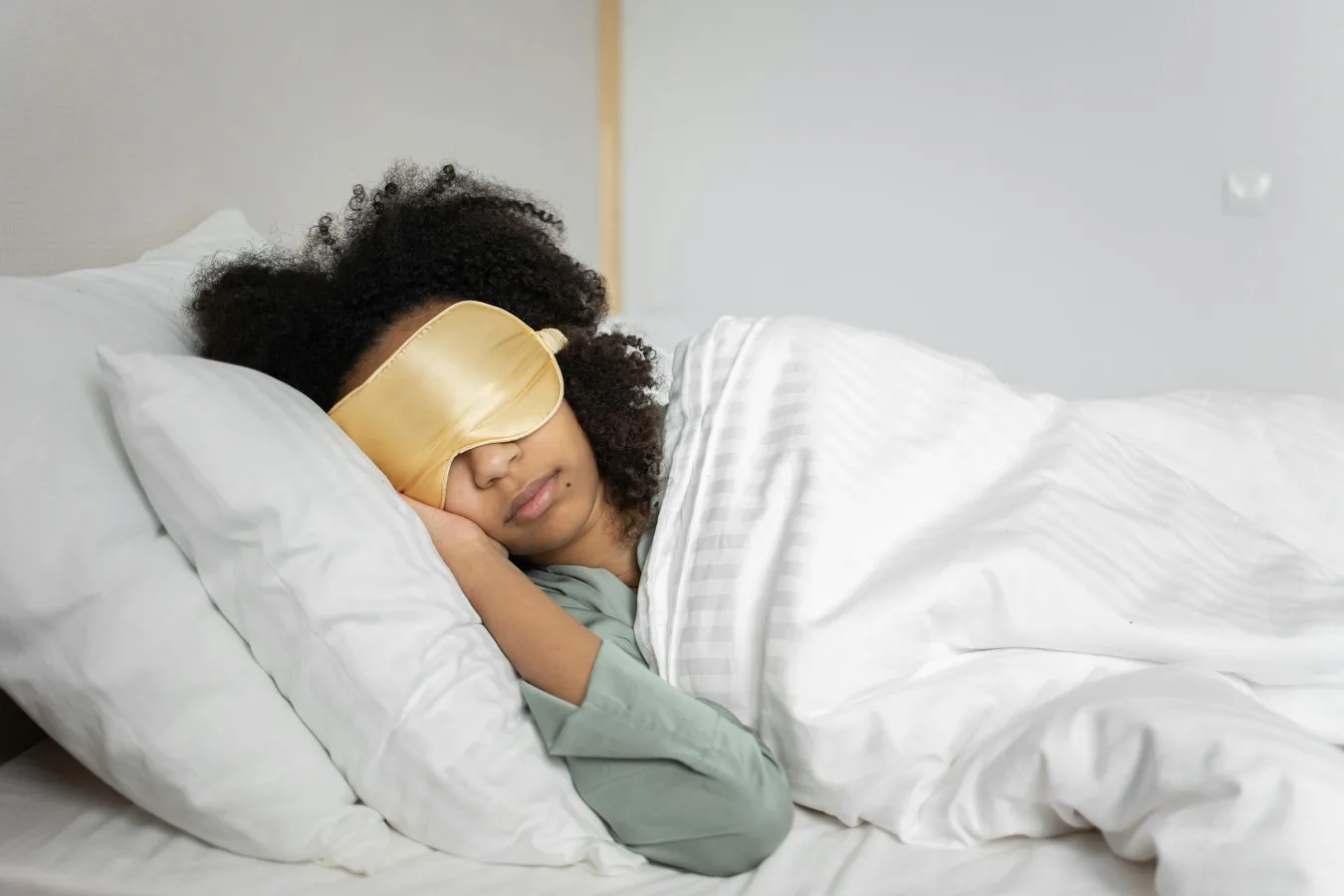
A Korean sleeping mask is an overnight, leave-on treatment used at the end of a nighttime skincare routine to help skin feel more hydrated, comfortable, and refreshed by morning. If you are trying to choose one, the main question is not whether it is “better” than a regular moisturizer, but whether its texture, ingredients, and occlusive finish fit your skin type and the rest of your routine. nature republic lip sleeping mask 01 herb offers more detail on this point.
For some people, a sleeping mask is a practical way to seal in moisture on dry nights. For others, it can feel too heavy, especially if they already use a rich cream or have skin that clogs easily. The best choice depends on how your skin behaves, not on trend language or packaging.
What a Korean sleeping mask actually does
Most Korean sleeping masks are designed to be applied as the final step in the evening. They are usually left on overnight rather than rinsed off after a short waiting period. The goal is to support the skin’s moisture barrier and reduce the feeling of tightness that can happen after cleansing or during dry weather.
In practical terms, these products often work in one of two ways: they add hydration, and they help slow moisture loss. Depending on the formula, a sleeping mask may feel like a gel, a lightweight cream, or a richer balm-like layer. That texture matters because it affects comfort, shine, and how well the product fits into the rest of your routine.
A common misconception is that a sleeping mask is always an extra step everyone needs. In reality, many routines do fine with a good moisturizer. A sleeping mask makes the most sense when your skin needs more overnight support than your usual cream provides.
Key factors to consider before buying
Skin type and how much occlusion you can tolerate
Start with your skin type, but think beyond the labels. Dry skin often benefits from a more cushioning formula that helps reduce overnight moisture loss. Combination skin may prefer a lighter gel texture that adds hydration without feeling greasy. Oily or breakout-prone skin usually does better with a minimal, lightweight formula rather than a dense balm.
Sensitive skin needs extra caution. A formula that is heavily fragranced or loaded with many active ingredients may be less suitable than a simple, soothing one. If your skin tends to react easily, a short ingredient list and a familiar texture are usually safer starting points.
Texture and finish
Texture is one of the most overlooked decision points. A sleeping mask that feels pleasant for ten minutes can still be uncomfortable if it stays sticky, transfers onto pillows, or traps heat. If you dislike a heavy feel, look for gel or gel-cream styles. If your main concern is tightness or flaking, a richer cream texture may be more useful.
The finish also affects how you use the product. Some people prefer a thin layer that sits neatly under a fan or air-conditioning. Others want something more insulating for cold, dry months. There is no universal best option; the right texture is the one you can comfortably leave on for several hours.
Ingredient profile
Ingredient lists matter more than marketing claims. Hydrating ingredients such as glycerin, hyaluronic acid, and panthenol can help support a plumper-feeling surface layer. Soothing ingredients like centella asiatica or allantoin are often chosen for comfort-focused formulas. Barrier-supporting ingredients, including ceramides, are worth considering if your skin feels stressed or over-cleansed.
At the same time, not every benefit is useful for every person. If you are trying to keep your routine simple, avoid stacking too many actives at night. A sleeping mask usually works best as a supportive finishing step, not as another place to add strong acids or exfoliants.
Fragrance and sensitivity risk
Fragrance is a personal choice, but it is an important one. Many people enjoy scented skincare, yet fragrance can be a problem for sensitive or easily irritated skin. If your skin stings, turns red, or feels warm after products, a fragrance-free or low-fragrance formula is a more cautious choice.
This is one of the easiest ways to narrow down the options. If you want a sleeping mask for comfort and recovery, a soothing formula often makes more sense than a heavily perfumed one. this diffuser led guide offers more detail on this point.
How it fits with the rest of your routine
A sleeping mask should complement your routine, not fight it. If you already use a thick night cream, adding another occlusive layer may feel too heavy. If you use lightweight layers and still wake up dry, a sleeping mask can be the missing step. The best formula depends on what comes before it, especially cleansers, serums, and treatment products. Laneige Water Sleeping Mask Reviews: What to Know offers more detail on this point.
Also consider whether you use retinoids, exfoliating acids, or acne treatments. Those products can leave skin feeling drier or more sensitive, which can make a gentle sleeping mask more useful. But if your routine is already rich and layered, the mask may be redundant.
How to choose the right formula for your skin
For dry or dehydrated skin
If your skin feels tight, flaky, or dull by the end of the day, choose a sleeping mask that focuses on hydration and moisture retention. Creamier textures often work well here because they feel more cushioning and reduce the chance of waking up with a dry surface.
Look for formulas that emphasize humectants and barrier-supportive ingredients rather than strong actives. This is a case where comfort usually matters more than a long ingredient list.
For combination or oily skin
Combination and oily skin often do better with a lighter gel or gel-cream sleeping mask. The aim is to hydrate without leaving an overly slick finish. Heavy formulas can feel unnecessary, especially in warm or humid conditions.
If you are breakout-prone, keep an eye on how much residue a product leaves behind. A practical choice is usually one that feels breathable and does not make your skin feel coated by morning.
For sensitive or reactive skin
Simple is usually better. Fewer fragrances, fewer potentially irritating extras, and a softer texture are all sensible priorities. A sleeping mask for sensitive skin should feel like support, not a treatment that demands your skin “adapt.”
If you are unsure, introduce it slowly and avoid pairing it with multiple new products on the same night. That makes it easier to tell whether the mask agrees with your skin.
For mature skin
Mature skin often benefits from formulas that emphasize comfort, hydration, and a smoother-feeling finish. That does not automatically mean the richest product on the shelf. The better choice is usually the one that makes skin feel supple without sitting heavily or emphasizing texture.
Overly dense products can sometimes feel flattering at first but become uncomfortable if your skin runs warm at night or if you prefer a lighter finish.
How to use a sleeping mask correctly
Apply it as the last step in your nighttime routine, after cleansing and any leave-on treatments. In most cases, a thin, even layer is enough. Using more product does not necessarily improve performance; it can just make the formula feel sticky or shift onto bedding.
If you use active treatments, give them time to absorb before applying the sleeping mask. That helps reduce pilling and makes the final layer more comfortable. For very dry skin, the mask can sit on top of a moisturizer. For oilier skin, it may replace a heavier night cream rather than add to it.
Some people use a sleeping mask every night. Others reserve it for colder months, travel, post-treatment recovery, or nights when their skin feels especially dry. That flexible use is one reason it can be a useful category, but it also means there is no need to force it into daily use if your skin does not need it.
Common mistakes to avoid
- Choosing by packaging or trend instead of texture and ingredient fit.
- Using a sleeping mask on top of an already heavy routine and wondering why skin feels greasy.
- Assuming richer always means better for every skin type.
- Ignoring fragrance if your skin is easily irritated.
- Applying too much product and causing transfer to pillows.
- Mixing a new sleeping mask with multiple new actives at the same time.
One practical nuance: if your skin wakes up looking shiny but not actually comfortable, the formula may be too occlusive for your needs. A sleeping mask should improve comfort, not just leave a glossy finish.
Sleeping mask or night cream?
The line between a sleeping mask and a night cream is not always strict. Many products overlap. In general, a night cream is part of a regular skincare routine, while a sleeping mask is often more targeted and sometimes more occlusive or treatment-like in feel.
If you already have a night cream that keeps your skin comfortable, you may not need a separate sleeping mask. If your skin regularly feels dry despite your moisturizer, a sleeping mask can serve as an extra seal of support. Think of it as a tool for specific conditions rather than a mandatory upgrade.
When a Korean sleeping mask is most useful
A sleeping mask tends to make the most sense in a few situations: dry climates, colder seasons, air-conditioned rooms, travel, or after nights when your skin has been stressed by cleansing or treatments. It can also be useful if your usual moisturizer feels insufficient but you do not want to overhaul your entire routine.
It is less useful if your skin already feels balanced with your current moisturizer, if you dislike layered products, or if heavy textures tend to cause congestion for you. In those cases, a simpler routine is often the better long-term choice.
Practical buying guidance
If you want the safest starting point, narrow your options by skin type, then texture, then ingredient comfort. That order helps you avoid buying a product that sounds impressive but feels wrong on your skin.
- Choose gel formulas if you want something lightweight and breathable.
- Choose cream formulas if your skin feels dry, tight, or exposed to harsh weather.
- Choose fragrance-free options if your skin is sensitive or reactive.
- Choose barrier-supportive formulas if your skin is stressed by cleansing, actives, or dry air.
- Choose simpler formulas if you prefer a low-risk, low-fuss nighttime routine.
Also think about the role you want the product to play. Some people want a little extra hydration. Others want a more protective layer on top of a routine that already includes serums and moisturizer. The right sleeping mask depends on that job description.
Alternatives worth considering
If a sleeping mask does not seem necessary, there are good alternatives. A well-formulated night cream may be enough for many skin types. A hydrating serum followed by a moisturizer can also address overnight dryness without adding a separate mask.
For people who dislike a heavy finish, a light gel moisturizer may be the simplest answer. For very dry skin, pairing a hydrating serum with a richer moisturizer may provide more control than using a sleeping mask alone. The point is to match the product to the problem, not to collect more steps.
FAQ
Can I use a Korean sleeping mask every night?
Some people can, but it depends on the formula and your skin’s tolerance. If the texture feels comfortable and your skin responds well, frequent use may be fine. If you notice congestion, shine, or irritation, scale back.
Do I still need a moisturizer under a sleeping mask?
Often, yes. Many people use a sleeping mask on top of moisturizer for extra support, but some lighter formulas can replace a night cream. The best setup depends on how dry your skin feels and how rich the mask is.
Is a sleeping mask better than a regular face mask?
They serve different purposes. A wash-off mask is usually used for a short treatment window, while a sleeping mask is designed to stay on overnight. If you want sustained moisture support, a sleeping mask is usually the more relevant option.
Will a sleeping mask clog pores?
It can if the formula is too heavy for your skin or if you already layer several rich products. Breakout-prone skin often does better with lighter textures and simpler ingredient profiles.
What should I look for first if I am new to K-beauty?
Start with texture, then ingredient simplicity, then whether the product fits your current routine. A beginner-friendly sleeping mask is usually one that feels comfortable, supports hydration, and does not introduce unnecessary complexity.
If you are choosing a Korean sleeping mask for the first time, the best option is rarely the most elaborate one. It is the one that matches your skin type, fits your nighttime routine, and solves a real problem without adding friction. That is what makes the category useful in the first place.
