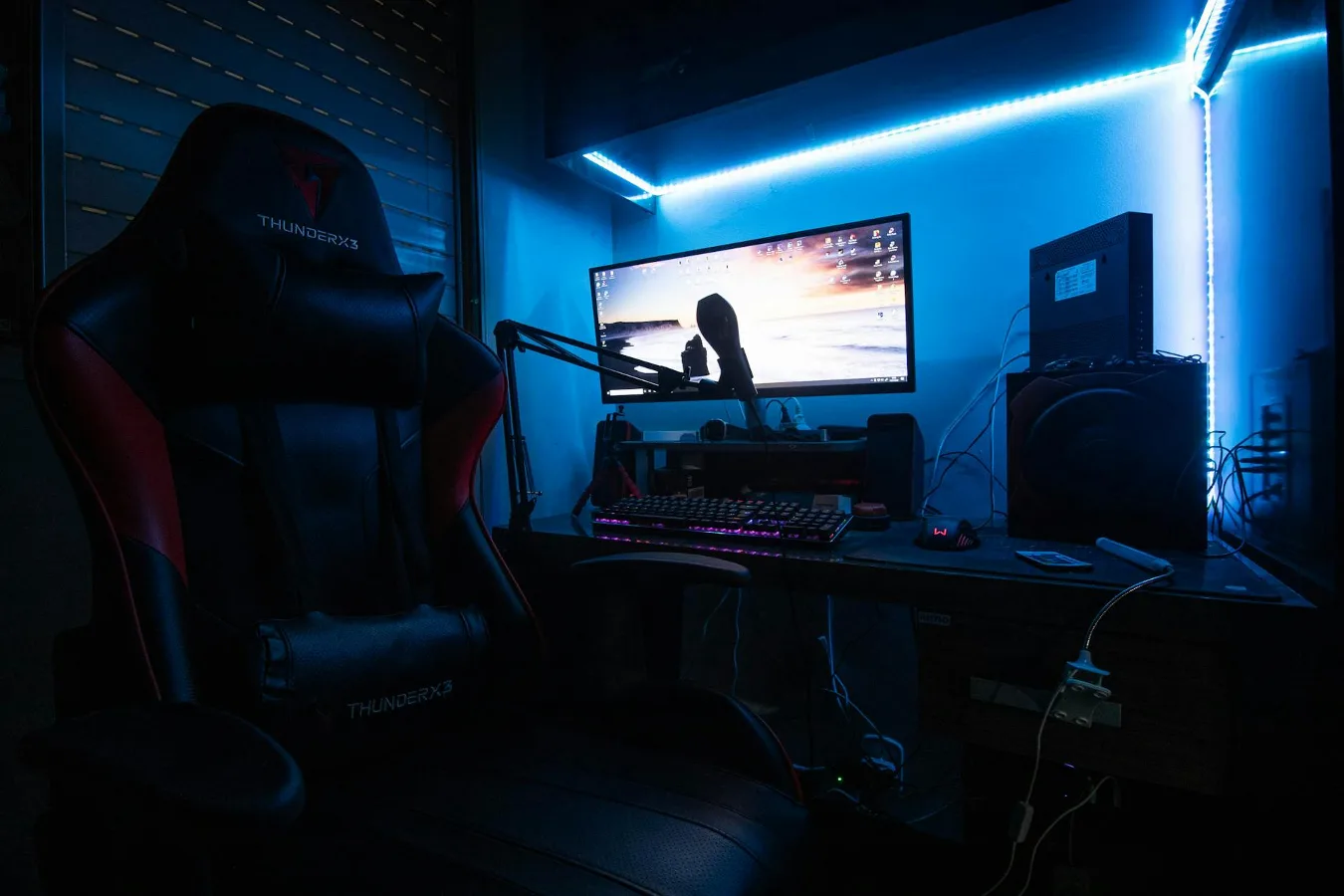
A LED strip diffuser is the cover or channel insert that softens the harsh points of individual LEDs so the light looks smoother, cleaner, and more intentional. If you are trying to make strip lighting feel less technical and more polished, the diffuser is often the difference between a visible row of dots and a calm, even glow. led diffuser offers more detail on this point. essential oil car diffuser offers more detail on this point.
For wellness-focused spaces, that matters. Bedroom accents, vanity lighting, meditation corners, and soft under-shelf lighting usually look better when the source is hidden and the brightness is spread more gently. The right diffuser can also reduce glare, improve visual comfort, and make an installation feel finished rather than temporary.
What a LED Strip Diffuser Actually Does
A diffuser sits over or around the LED strip and spreads light across a wider surface. Instead of seeing each diode directly, you see a smoother band of illumination. In many installations, it also acts as a protective cover that helps shield the strip from dust and accidental contact.
That simple function solves a few common problems at once:
- Harsh glare from exposed LEDs
- Visible hot spots or the “dot” effect
- Unfinished appearance in open shelving, cabinets, or trim work
- Physical exposure to dust and light handling
The trade-off is that diffusion can reduce brightness slightly. That is normal. The goal is usually not maximum output, but better visual quality and more comfortable light.
Why Diffusion Matters in Wellness Spaces
In wellness-oriented rooms, lighting is about more than visibility. It shapes how a space feels. A diffuser can help make LED strip lighting look softer and less stimulating, especially in areas meant for winding down. How to Choose a LED Light Diffuser offers more detail on this point.
This is why diffusers are commonly considered for:
- bedside and headboard lighting
- under-cabinet kitchen lighting where glare is distracting
- bathroom vanity accents that need a smoother appearance
- closets and wardrobes where a clean line of light looks more refined
- accent lighting in yoga rooms, reading nooks, and relaxation spaces
A common misconception is that any strip light cover will create the same effect. In practice, the diffuser’s shape, material, and depth all affect how well the LEDs blend together. A shallow cover may still reveal dots. A deeper channel or better opal diffuser usually does a stronger job of smoothing the output.
Key Factors to Compare Before You Buy
1. Diffusion level
The most important question is how much you want the LEDs hidden. Some diffusers are lightly frosted and keep more brightness. Others are opaque enough to create a very uniform line of light, but they can lower light output more noticeably.
If the strip will be visible from normal eye level, stronger diffusion is often worth it. If the strip is tucked away in a deep recess, a lighter diffuser may be enough.
2. Profile shape and mounting style
LED diffusers are often sold as part of an aluminum channel, which can be surface-mounted, recessed, or corner-mounted. The profile you choose changes both the appearance and the practicality of the installation.
- Surface-mounted channels are easier to install and work well for retrofit projects.
- Recessed channels create a more built-in look but require more planning.
- Corner channels are useful for shelves, cabinets, and angled transitions.
The profile shape matters just as much as the diffuser cover. A deeper channel generally helps hide LED dots more effectively than a shallow one.
3. Material choice
Most diffuser setups use either a rigid plastic lens, a silicone cover, or an aluminum channel paired with a frosted insert. Each option has strengths.
- Aluminum channels help with a clean finish and can support heat management better than a bare strip.
- Plastic lenses are often lighter and simpler, but may feel less durable depending on the design.
- Silicone diffusers can work well in flexible or curved applications, though the final look depends on the product quality.
If your project involves curves, irregular surfaces, or moisture-prone areas, material flexibility becomes more important. For straight shelves, coves, or cabinet runs, a rigid channel often gives a cleaner result.
4. Compatibility with the LED strip
Not every strip fits every diffuser. Width, height, and mounting depth all matter. A strip that is too wide may not seat properly. A very bright strip placed in a shallow channel may still show visible points through the cover.
Before buying, check:
- strip width
- channel interior width
- depth of the profile
- whether the strip includes an adhesive backing or needs clips
- whether the diffuser is designed for indoor, damp, or outdoor use
This is one of the easiest places to make a mistake. People often choose the diffuser based on appearance alone, then discover that the strip does not fit comfortably or the cover does not close cleanly.
5. Light quality and color appearance
A diffuser can subtly change how the light looks. The effect is usually small, but for wellness settings, small changes matter. A heavily frosted cover may soften contrast and make the illumination feel calmer. A clear or lightly tinted cover may preserve more intensity but look less refined.
If your goal is a relaxing atmosphere, smoother and less directional light usually works better. If the lighting needs to support tasks, too much diffusion may make the space feel dimmer than expected.
6. Maintenance and cleaning
Diffusers accumulate dust, especially in open shelving or near cooking areas. A removable cover is easier to maintain than a fully integrated look that traps grime in tight channels.
For practical use, consider whether the diffuser can be cleaned without tools and whether the profile makes it easy to wipe down. This becomes more important in bathrooms, kitchens, and high-touch spaces.
Practical Ways to Choose the Right Diffuser
The right choice depends on where the strip will go and what you want it to feel like.
For soft ambient light
Choose a deeper channel with a frosted or opal cover. This is usually the better option when the strip will be seen directly or when you want the light to read as a continuous glow rather than individual points.
For task lighting
Choose a diffuser that softens glare without over-dimming the strip. Under-cabinet lighting for counters, vanity edges, or craft areas often needs a balance between visual comfort and usable brightness.
For decorative accent lighting
If the goal is mood rather than function, prioritize appearance. A cleaner finish may matter more than raw brightness. Corner-mounted or recessed profiles often work well here because they keep the source discreet.
For curved or irregular installs
Flexible silicone diffusers can be more practical than rigid channels. They are not always the most refined-looking option for premium interiors, but they can solve installation challenges that rigid profiles cannot.
Common Mistakes to Avoid
- Choosing too shallow a profile and expecting it to hide LED dots completely
- Overlooking width and depth, which can make the strip hard to fit
- Prioritizing brightness alone and ending up with harsh, uncomfortable light
- Using the wrong material for a curved, damp, or high-traffic area
- Ignoring access for cleaning in kitchens, bathrooms, and closets
Another overlooked issue is viewing angle. A diffuser that looks fine from one spot may still reveal the LEDs from below or across the room. If the lighting will be seen from multiple angles, a deeper or more opaque diffuser is usually safer.
When a Diffuser Is Not the Best Solution
A diffuser helps many strip-light projects, but it is not always necessary. If the strip is hidden in a deep channel, behind trim, or inside a recess where the LEDs are not directly visible, the added cover may not change the look much.
In some cases, a better alternative is choosing a more suitable placement rather than relying on diffusion alone. For example:
- move the strip farther back in a shelf recess
- mount it in a corner profile to reduce direct view
- use indirect lighting that bounces off a surface
- switch to a dimmer or lower-output strip for a calmer effect
If you want maximum simplicity, a bare strip can be acceptable in hidden locations. But for any spot where the light is visible, a diffuser usually gives a more finished result.
Decision Guide: Which Setup Fits Your Space?
| Use case | Best diffuser style | Why it works |
|---|---|---|
| Bedroom accent lighting | Frosted or opal channel | Creates a softer, calmer glow with less visual harshness |
| Kitchen under-cabinet light | Surface-mounted aluminum channel with diffuser | Balances appearance, protection, and practical installation |
| Closet or wardrobe lighting | Compact diffuser cover | Keeps the strip neat while preserving enough brightness |
| Curved or unusual surface | Flexible silicone diffuser | Adapts to shape where rigid profiles are difficult to use |
| High-visibility decorative run | Deeper channel with stronger diffusion | Hides LED points more effectively from normal viewing distance |
Use this as a starting point, not a rulebook. The best choice depends on the strip brightness, the viewing angle, and how polished you want the finished installation to look.
Practical Alternatives to a Standard Diffuser
If a standard diffuser is not the right fit, there are a few useful alternatives.
- Recessed channel installation for a more built-in look
- Corner mounting to redirect the light and reduce glare
- Indirect placement behind molding, furniture lips, or ledges
- Dimmer control to reduce intensity without changing the hardware
- Lower-density LED strips if dot visibility is a persistent issue
These options are not always interchangeable. A diffuser improves the appearance of the source; placement changes the way the light interacts with the room. In many projects, using both together gives the cleanest result.
FAQ
Does a LED strip diffuser make the light dimmer?
Usually, yes, but the effect depends on the material and opacity. Better diffusion often means slightly less brightness, balanced by a smoother and more comfortable appearance.
What is the difference between a diffuser and an aluminum channel?
The diffuser is the cover or lens that softens the light. The aluminum channel is the structural profile that holds the strip and often houses the diffuser. Many products combine both.
Can I use a diffuser with any LED strip?
Not always. The strip must fit the channel width and depth, and the diffuser should be appropriate for the strip’s brightness and mounting style.
Is a silicone diffuser better than a rigid one?
Neither is universally better. Silicone works well for curves and flexible layouts, while rigid channels usually provide a cleaner, more rigid finish for straight runs.
Do I need a diffuser for hidden LED strips?
If the strip is fully hidden and the LEDs are not visible, a diffuser may not be necessary. For exposed or partially visible installs, it usually improves the finished look.
Choosing the Right LED Strip Diffuser
The best LED strip diffuser is the one that fits your space, your viewing angle, and the mood you want to create. If your goal is a softer wellness-friendly atmosphere, lean toward deeper profiles and stronger diffusion. If your priority is task lighting, choose a cover that reduces glare without making the light feel weak.
For most readers, the smartest approach is to match the diffuser to the installation instead of treating it as an afterthought. Check fit, think about brightness loss, and consider how often the surface will need cleaning. That small amount of planning usually leads to a cleaner-looking and more comfortable result.
