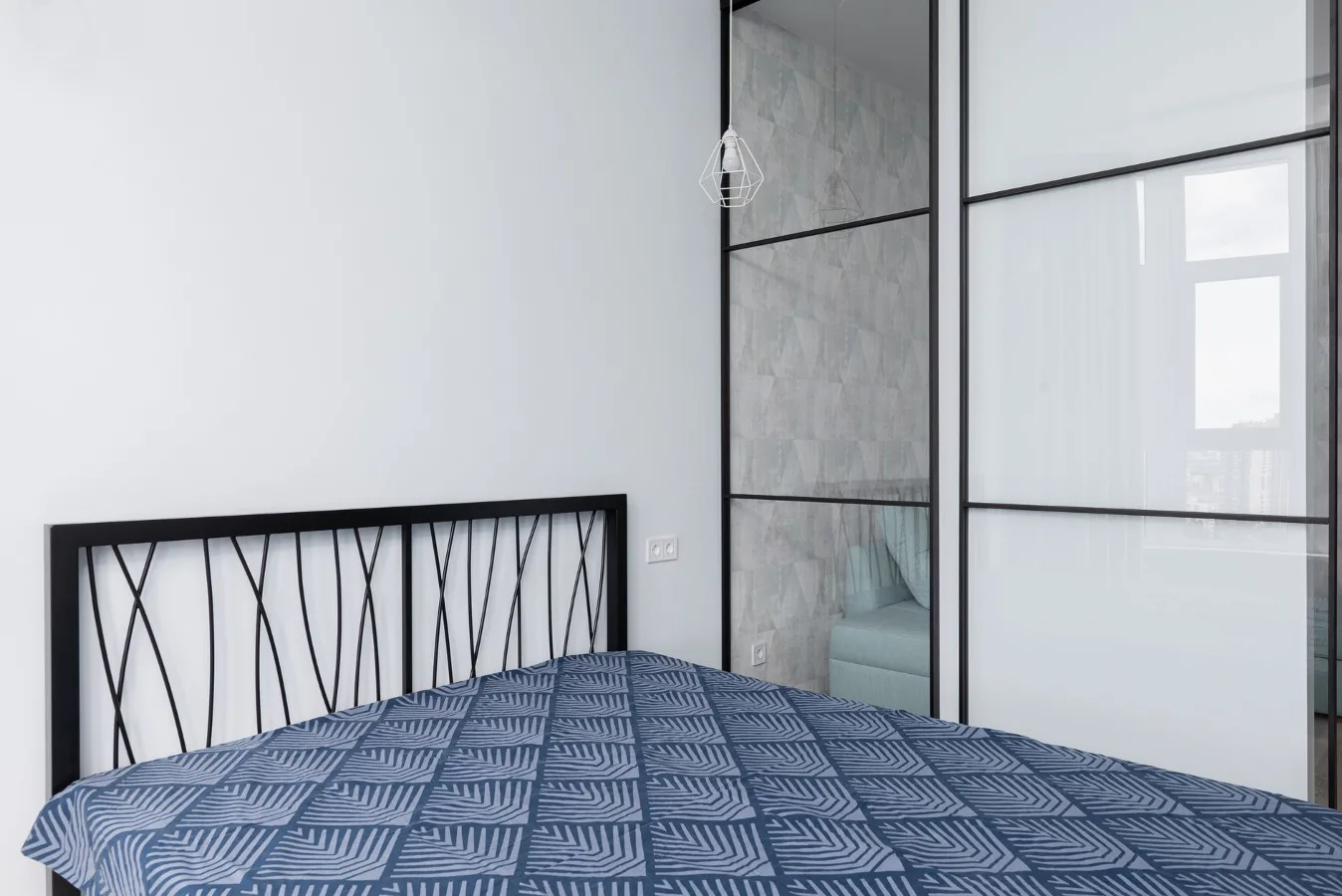
If you use a weighted blanket, a duvet cover is often worth adding. The right cover makes the blanket easier to wash, helps protect the outer fabric from wear, and can change how the blanket feels on the body—so the choice is about more than style.
The best duvet covers for weighted blankets are usually sized carefully, secured well, and made from a fabric that fits how you sleep. Some people want a softer, cozier feel. Others care more about breathability, easy cleaning, or a cover that does not shift around during the night. The right option depends on how often you use the blanket, how warm you sleep, and whether you plan to remove and wash the cover regularly. how to clean weighted bedding offers more detail on this point.
When a duvet cover for a weighted blanket matters most
A cover is especially useful if your weighted blanket is part of your nightly routine. Weighted blankets can be heavy to wash and dry, and a removable cover lets you clean the outer layer more often without dealing with the full blanket every time. That can be a practical advantage for homes with pets, allergies, or frequent spills.
It also matters if the blanket’s original fabric feels too warm, too slick, or too rough. A duvet cover can change the surface feel enough to make the blanket more comfortable to live with. For many buyers, that comfort upgrade is the main reason to add one.
There is one common misconception worth clearing up: a duvet cover is not just a decorative shell. For weighted blankets, fit and construction matter a great deal because the blanket’s weight can pull on seams, shift the fill, or make a loosely sized cover bunch up in the night.
Start with fit, not color
Fit is the first thing to get right. A weighted blanket cover should match the blanket’s dimensions as closely as possible, unless the product is specifically designed with extra room. Too much extra fabric can allow the insert to slide around inside the cover. Too little room can make the blanket feel tight, awkward, or difficult to insert.
Unlike a standard comforter cover, a weighted blanket cover needs to work with more mass and less loft. That means the opening should be wide enough to insert the blanket without fighting it, and the interior should help hold the insert in place once it is inside.
If the blanket has loops or corner tabs, look for a cover with matching ties or anchor points. Those small details can make a bigger difference than they do on ordinary bedding because they help reduce shifting and keep the weight distributed more evenly.
Checklist for fit
- Match the cover size to the blanket’s actual dimensions, not just the mattress size.
- Check whether the blanket has corner loops or attachment points.
- Look for interior ties if the blanket tends to move inside covers.
- Make sure the opening is large enough for regular removal and washing.
- Watch for extra-long or oversized designs that may trap the insert in one side.
Choose a closure that can handle weight
Closure type matters more with weighted blankets than many shoppers expect. A cover that works well for a light quilt may not hold up as well with a heavier insert pressing against it each night.
Zippers are often the most secure option because they help keep the blanket fully enclosed. They can also be easier for keeping the insert centered. The trade-off is that the zipper should be smooth and well-finished so it does not catch the fabric or feel uncomfortable near the edge.
Buttons can look attractive and sometimes feel more traditional, but they may take longer to close and may not stay as secure if the cover is handled often. For a weighted blanket, that can be a drawback if you plan to wash the cover frequently. guide to led diffuser offers more detail on this point.
Ties or ties plus a flap may work well for some users, especially if the blanket has loops. They can be easier to replace if damaged, but they usually offer less enclosed security than a zipper.
For most people, the best choice is the closure that combines convenience with a secure seal. If the cover will be removed and washed often, ease of use is not a small detail—it is part of whether you will actually keep using it.
Fabric changes comfort more than most buyers expect
Fabric is where the cover becomes personal. The same weighted blanket can feel cool, cozy, crisp, or warm depending on the cover material.
Cotton is a common choice because it tends to feel familiar, breathable, and easy to live with. It is often a good starting point for people who want a balanced everyday option.
Bamboo-derived fabrics are often chosen by shoppers looking for a smoother, cooler hand feel. These can be appealing if you sleep warm, though the exact feel depends on the weave and construction. best fabrics for cooler sleep offers more detail on this point.
Minky or plush fabrics create a softer, warmer, more enveloping feel. They can be comfortable in colder weather, but they may trap more heat than lighter fabrics.
Linen blends may appeal to people who prefer a textured, airy feel. They are less about plushness and more about breathability and a more casual look.
Think carefully about the season and your sleep habits. A cover that feels wonderful in winter can become too warm once temperatures rise. A lightweight cover may feel ideal in summer but less comforting if you rely on the blanket for a cocoon-like sensation.
Breathability and warmth should match how you sleep
Weighted blankets already influence temperature, and the cover can push that experience in either direction. If you tend to sleep hot, focus on breathable fabrics, lighter weaves, and finishes that do not add too much insulation. If you like extra coziness, a plusher cover may be exactly what you want.
This is one of the most overlooked considerations: people often buy a weighted blanket cover based on touch alone, then discover that the fabric changes the thermal feel more than expected. A soft fabric is not automatically the right fabric if it makes the blanket too warm for nightly use.
For hot sleepers, the best approach is usually to prioritize airflow and easy laundering over a heavy, plush texture. For cold sleepers, the ideal cover may be the one that adds just enough warmth without making the blanket feel bulky.
Think about maintenance before you commit
A duvet cover only saves time if it is actually easy to wash and reinstall. With weighted blankets, this matters because the insert is often too cumbersome for routine laundering. The cover should be practical enough that you do not postpone cleaning it.
Look for care instructions that fit your routine. If the cover requires delicate handling, high-maintenance drying, or special laundering, it may be less convenient than it looks. That does not make it a bad choice, but it does make it better suited to people who are willing to maintain it carefully.
Machine-washable covers are usually the most convenient option for everyday use. Even then, check whether the fabric is prone to shrinking, wrinkling, or pilling, especially if you expect to wash it often.
Another practical nuance: heavier covers can be harder to put back on the blanket after laundering. If you expect to do this often, a design with a wide opening and clear corner attachments can save a lot of frustration.
Use-case examples to narrow your choice
If you want the easiest everyday option
Choose a machine-washable cover in a breathable fabric with a secure zipper and interior ties. This is usually the best balance for most households because it is straightforward, versatile, and low-drama.
If you sleep warm
Look for a lighter fabric with good airflow and avoid overly plush textures. A smooth cotton or breathable blend often makes more sense than a thick, insulating cover.
If you want a softer, cozier feel
A plush or minky-style cover may be appealing, especially in cooler months. Just be aware that extra softness can come with more warmth and a heavier feel overall.
If you wash bedding often
Prioritize durability, secure construction, and a closure you can open and close quickly. Frequent laundering exposes weak stitching, flimsy zippers, and fabrics that do not hold up well over time.
If the blanket tends to shift
Choose a cover with interior ties or anchor points. A snug but not tight fit will usually perform better than an oversized cover with no way to secure the insert.
Common mistakes shoppers make
- Buying by mattress size alone instead of checking the blanket’s actual measurements.
- Ignoring the closure type and later finding the cover hard to manage.
- Choosing fabric by appearance only and ending up with a cover that feels too hot or too rough.
- Skipping interior ties when the blanket insert tends to move.
- Assuming any duvet cover will fit a weighted blanket just because both are rectangular bedding items.
- Overlooking maintenance and choosing a cover that is inconvenient to wash regularly.
These are easy mistakes to make because duvet covers seem simple at first glance. With weighted blankets, though, the difference between a good cover and a merely acceptable one shows up in daily use.
What a good weighted blanket duvet cover should do
A strong choice usually does four things well: it fits securely, feels comfortable against the skin, cleans up easily, and stays in place without constant adjustment. If a cover does not do at least most of those things, it may not be a good match for a weighted blanket.
There is also a value question. A more affordable cover can be fine if it is well made and suited to your needs. A more expensive one only makes sense if the fabric, closure, or construction gives you a real improvement in comfort or convenience.
That is why a good buying decision here is less about brand positioning and more about use-case fit. A cover that works beautifully for one sleeper may be a poor choice for another who runs hot, washes bedding weekly, or dislikes extra texture.
Final buying checklist
- Confirm the exact blanket size and shape.
- Choose a fabric that matches your temperature preferences.
- Pick a closure that feels secure and easy to manage.
- Look for interior ties or loops if the blanket shifts.
- Check care instructions for regular washing.
- Consider whether you want a smooth, breathable, cozy, or plush finish.
- Make sure the cover supports the way you actually use the blanket, not just how it looks on the bed.
If you treat the cover as part of the weighted blanket system rather than an afterthought, you are more likely to end up with something comfortable, practical, and worth keeping in rotation. The right choice should make the blanket easier to use—not more complicated.
