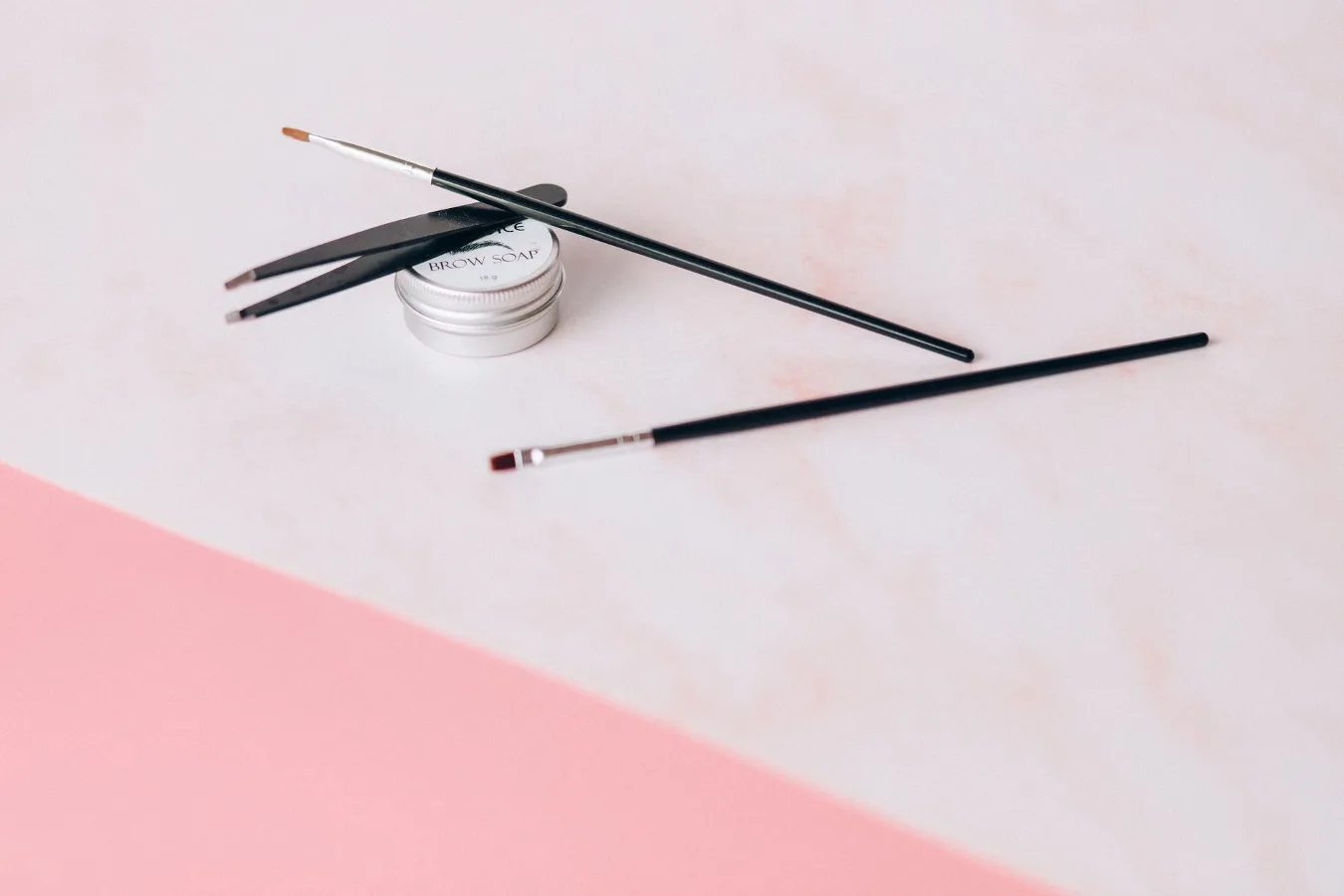
Quick answer: what eyebrow brush makeup is best?
The best eyebrow brush for makeup depends on the product and the result you want. For most people, a small angled brush paired with a spoolie is the most versatile choice because it can apply brow powder, soften brow pomade, and groom hairs into place without looking heavy. angled makeup brush offers more detail on this point. best makeup brushes for brows offers more detail on this point.
If you want a softer, more forgiving finish, brow powder and a fluffy spoolie are usually easier to control. If you want more definition or have sparse areas to fill, a firmer angled brush often works better with pomade, wax, or pencil-based products. The key is matching the brush shape and stiffness to the texture of the formula. how to fill in eyebrows naturally offers more detail on this point.
That simple match matters more than the brand name on the handle. A brush that is too wide can make brows look blocky, while one that is too soft may not pick up enough product for clean hair-like strokes. For everyday use, many shoppers do best with a dual-ended brow brush because it handles application and blending in one tool.
How eyebrow brushes differ in real use
Eyebrow brushes are not interchangeable just because they are all small. Their shape, bristle density, edge firmness, and handle design all change how makeup lands on the skin and through the hair.
An angled brush gives the most control for outlining the lower brow line, sketching in gaps, and building shape gradually. A spoolie separates hairs, blends product, and helps remove obvious excess. A flatter, firmer brush can deposit color more densely, which may be useful for stronger brows or more structured looks. Softer brushes can create diffused shading, but they are less precise.
The overlooked detail is how much the brush affects the finish, not just the application. A good brow product can look harsh if the brush is too stiff, and a very soft brush can make a pigmented product appear patchy. Choosing the right tool is part of choosing the look.
Comparison: the most common eyebrow brush types
| Brush type | Best for | Strengths | Trade-offs |
|---|---|---|---|
| Angled brow brush | Powder, pomade, detailed shaping | Precise, controlled, versatile | Can pick up too much product if dense or stiff |
| Spoolie | Blending, grooming, softening | Natural finish, easy to use | Does not apply color by itself |
| Dual-ended brush | Everyday brow routines | Convenient, compact, beginner-friendly | May be less specialized than separate tools |
| Flat brow brush | Pomade and stronger definition | Deposits product cleanly | Can create sharp edges if overused |
| Fluffy angled brush | Soft powder application | Diffused, natural-looking result | Less precise for sparse areas |
For most buyers, the decision is not about finding the single “best” brush. It is about deciding whether you need precision, softness, or convenience. Someone who uses brow powder every day has different needs than someone who only wants to tame stray hairs with gel.
How to choose the right eyebrow brush for your routine
Start with the product you already use. Brow powders usually pair well with slightly softer angled brushes, while pomades and waxes often work better with firmer synthetic bristles. If you use a pencil and only need blending, a spoolie may be enough.
Next, think about your brow style. A natural finish calls for a lighter hand and a brush that does not load on too much pigment at once. A more sculpted brow benefits from a narrower edge and a firmer tip that can trace cleaner lines. If your brows are dense, the brush should help groom and define without leaving obvious strokes on top of the hair.
Handle length also matters more than people expect. A shorter handle can feel steadier for close-up work, especially if you do makeup near a mirror. A longer handle may feel familiar if you are used to standard makeup brush sets. Neither is inherently better; comfort and control are what matter.
One practical nuance: the best brush for beginners is often not the most precise one. A slightly softer angled brush is usually easier to correct with than a very sharp, stiff tool, especially if you are still learning how much product to load.
What to look for in a brow brush before buying
- Bristle material: Synthetic bristles are commonly preferred for creamier formulas such as pomades and gels, while softer bristles can suit powders and lighter shading.
- Brush firmness: Firmer brushes give more definition; softer brushes create more blended results.
- Tip shape: A thin edge is useful for detail, while a broader edge can cover sparse areas faster.
- Spoolie quality: A sturdy spoolie should separate hairs without feeling too scratchy.
- Ease of cleaning: Brow products can build up quickly, especially waxes and pomades, so a brush that cleans easily is more practical long term.
- Comfort in hand: If the handle feels awkward, precise brow work becomes harder.
- Overall versatility: A dual-ended brow brush is often more useful than a specialized tool if you want one item for everyday use.
There is also a common misconception that a more expensive brush automatically creates better brows. In practice, consistency, shape, and how well the brush matches your formula matter far more than price alone. A modest brush that suits your routine can outperform a premium brush that is the wrong style for your product.
Common mistakes people make with eyebrow brushes
One of the most common mistakes is using too much product on the brush. Brow makeup is easier to build than to erase, especially if the brush is firm and narrow. It is usually better to start with a small amount and layer gradually.
Another mistake is choosing a brush that is too large for the brow area. Larger brushes can work for broad shading, but they often make it harder to keep the front of the brow soft and the tail clean. The result can be a brow that looks drawn on rather than shaped.
People also overlook brush maintenance. A brow brush that still holds old product can feel stiff, distribute color unevenly, or create a patchy finish. If you use pomade, wax, or tinted gels, cleaning matters even more because those formulas can dry on the bristles and change how the brush performs.
Finally, many users forget that brow brushes are meant to work with the direction of hair growth. Applying product against the grain can create an artificial look, especially in the front of the brow. Brushing through with a spoolie after application often softens the effect and helps the product settle into a more natural shape.
Which brush works best for each brow product?
Brow powder: A soft to medium angled brush is usually the easiest choice. It places color gradually and can mimic the look of fuller brows without harsh edges.
Brow pomade: A firmer angled or flat synthetic brush generally gives the most control. It can create sharper structure, but it requires a lighter hand to avoid heavy buildup.
Brow pencil: A spoolie is the most useful companion. It blends pencil marks and helps the brow look more natural after application.
Brow gel: A spoolie or a dual-ended brush can help distribute the product evenly and guide hairs into place.
Brow wax: A firmer brush can help shape and set the brow, though many people use a spoolie alone for a softer finish.
If you rotate between formulas, a dual-ended brow brush is often the most practical option. It gives you the precision of an angled brush and the blending power of a spoolie without requiring a full kit.
Alternatives if you do not want a dedicated brow brush
If your brow routine is minimal, you may not need a separate eyebrow brush makeup tool at all. Some people get by with a spoolie and a brow pencil. Others prefer a tinted gel and a clean spoolie for quick grooming.
For a softer everyday look, a brow pencil with a built-in spoolie can be enough. The trade-off is less control over fine shaping and less flexibility if you want to use powder or pomade later. A dedicated brow brush becomes more valuable as soon as you want more precision, more structure, or a wider range of finishes.
There are also compact brush sets aimed at travel or small makeup bags. Those can be useful if you need convenience, but check whether the bristles feel sturdy enough for your preferred formula. A tiny brush that is hard to control can be more frustrating than helpful.
How to keep eyebrow brushes performing well
Brow brushes work best when they stay free of product buildup. Even a good brush can become less precise once residue starts stiffening the bristles.
- Wipe excess product off after use when possible.
- Clean brushes regularly if you use pomade, wax, or strong brow gel.
- Reshape the bristles gently after washing and let them dry fully before storing.
- Keep spoolies clean so they can blend instead of dragging old pigment through the brows.
Storage also affects performance. Tossing a brush loosely into a makeup bag can bend the tip or flatten the edge. If a brow brush is no longer holding its shape, it may stop giving the clean lines or soft blending you expect from it.
Who needs a more specialized brow brush?
Not everyone needs a separate brush for every brow formula. But a more specialized brush makes sense if your brows are sparse, asymmetrical, or difficult to shape with a single tool. It also helps if you prefer a polished finish and want more control over the front, arch, and tail of the brow.
By contrast, if your brows are already fairly full and you only want to tidy them, a spoolie and a light gel may be enough. The right choice depends less on trend and more on how much control you actually need.
That is the main decision-making insight many shoppers miss: the best eyebrow brush is the one that reduces effort in your routine. If a tool makes your brows harder to balance, slower to finish, or more obvious than you want, it is probably not the right match even if it looks professional.
For readers comparing options within a broader beauty routine, this topic fits naturally alongside other brow grooming basics, makeup brush care, and guides to brow products such as powders, pencils, gels, and pomades. Those categories work best as a system, not as isolated products.
